
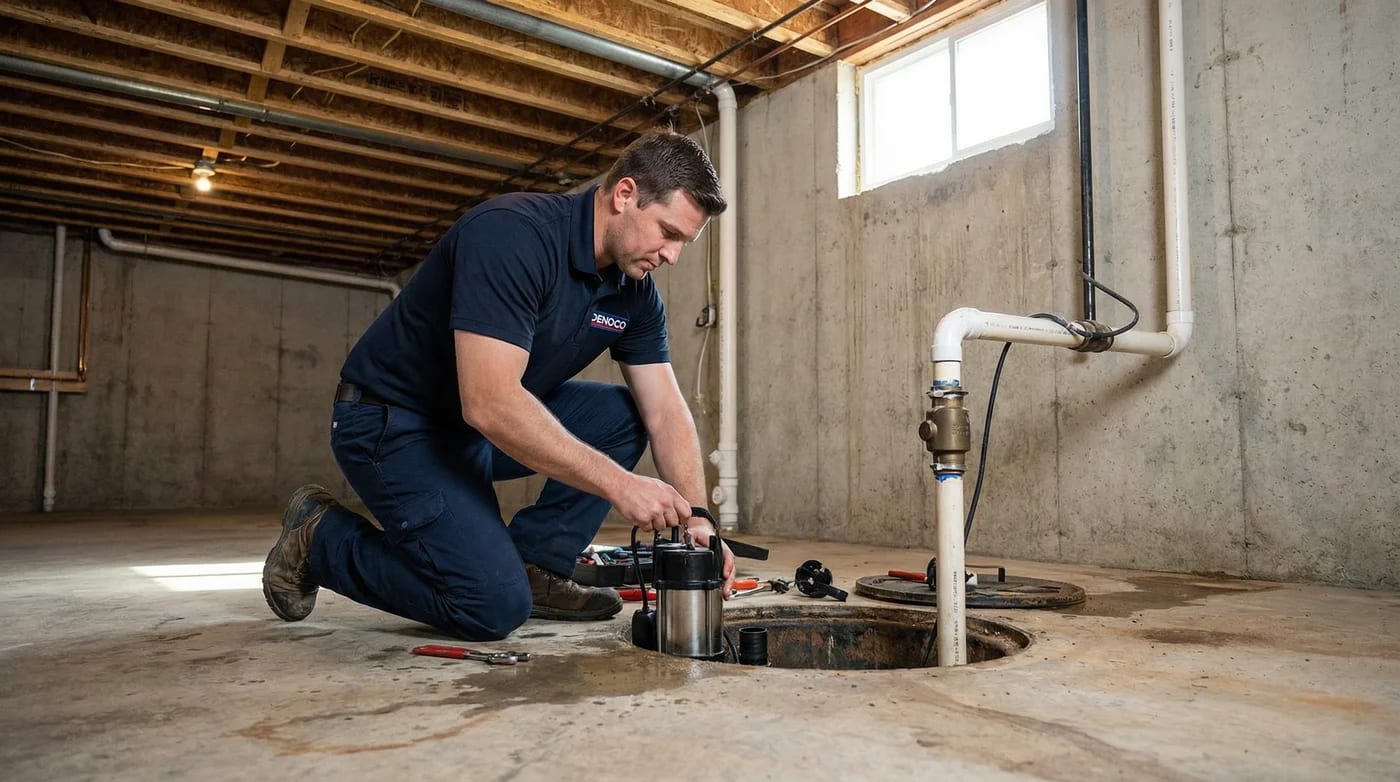
Drains & Sump Pumps
Drain cleaning, camera diagnostics, sump pumps, and basement flood protection for South-Eastern Ontario weather.
About this service
Spring thaw, summer storms, and freeze–thaw cycles in South-Eastern Ontario push a lot of water against foundations. Drains and sumps are the front line: if they’re slow, plugged, or underpowered, you find out at the worst time.
Recurring backups are rarely “just grease.” Roots, partial blockages, offsets, venting issues, and municipal surcharges during heavy rain all show similar symptoms. We clear what’s safe to clear — then recommend camera work when the pattern says something deeper is wrong.
Sump systems need the right pump for your pit inflow, a discharge path that won’t freeze against the wall, and a check valve that actually seats. Battery and water-powered backups matter when the power drops in the same storm that fills the pit.
Some Ontario municipalities run basement flood protection subsidy programs (backwater valves, pumps, assessments). Rules and amounts change by city — we’ll point you to your municipal pages and scope work that meets local requirements when subsidies apply.
Denoco serves Smiths Falls, Kingston, and surrounding areas with clear scopes: what we’re opening, what we’re testing, and what “done” means before we leave.
Common questions
Why do drains keep backing up in South-Eastern Ontario homes?
Grease and soap scum, “flushable” wipes, hair, and hygiene products reduce pipe capacity over time. Tree roots seek joints; ground movement can offset buried lines. During heavy rain or spring melt, municipal sewers can surcharge — your line may be clear but still can’t drain. The fix starts with symptoms: one fixture vs the whole house, and whether the pattern tracks weather.
- Single slow fixture: often a branch or vent issue
- Multiple fixtures + gurgling: think main line, venting, or municipal surcharge
- Recurring after cleaning: camera and locate before expensive guesses
When is a sewer camera inspection worth it?
Camera work pays off when snaking restores flow but the problem returns, when you’re buying an older home, or when you need proof of roots, bellies, or broken offsets before lining or excavation. It’s documentation — not magic — but it stops paying twice for the wrong repair.
What’s the difference between a sump check valve and a backwater valve?
A check valve on the sump discharge stops water in the vertical/lateral discharge from draining back into the pit when the pump stops. A main-line backwater valve is installed to block municipal sewer surcharge from entering your drains during overload. They solve different problems; some homes need one, both, or neither — depending on grade, plumbing layout, and flood history.
Why do sump discharge lines freeze in Ontario winters?
If the discharge exits close to the foundation or holds water in a low spot, freeze–thaw can plug the line — the pump runs but water has nowhere to go. Sloping the line away from the house, avoiding long horizontal runs that hold water, insulation or heat cable in exposed sections, and proper air-lock/termination details all matter in our climate.
Battery backup vs water-powered backup sump pump — which fits?
Battery backups are common: they run when grid power drops during storms. They need battery maintenance and replacement on a schedule. Water-powered backups use municipal water pressure to eject pit water — no battery, but they need adequate pressure/volume and local code allowance. We match backup type to your pit size, electrical reality, and water service.
What should I do during an active sewer backup?
Stop using water in the house, keep people away from contaminated areas, and call for service. If you can do so safely, document water lines and affected materials for insurance. Don’t run fixtures “to see if it clears” — that pushes more volume into a blocked system. We’ll triage on the phone and dispatch by severity.
How much do drain and sump jobs cost in our area?
Simple branch clears and accessible pump swaps stay in a lower range; main-line work, camera, locate, excavation, or backwater valve projects scale with access and permits. Emergency after-hours response may carry a premium. You get a written scope before we open walls or cut concrete — not a surprise invoice.
Pricing varies by access, scope, and municipality. We confirm details before starting work.
How long do drain cleaning and sump installations take?
Many clears finish in one visit. Pump replacement is often same-day if the pit and discharge are accessible. Camera + locate, permit work, or concrete cutting adds time. We’ll spell out same-day vs staged work before we start.
Are permits required for backwater valves and sump work in Ontario?
Many municipalities require a building permit for new backwater valve installation, drainage changes, or work that alters the sanitary system. Rules vary by city. Licensed work that meets Ontario Building Code requirements is easier to insure and sell. We handle permit paths when your scope requires them.
What should I ask when comparing drain and sump quotes?
Ask whether the price includes camera, locate, reinstatement of finishes, and permit fees. Ask what happens if the line fails again in 30 days. Confirm warranty on labour and who supplies parts. Lowest bid without diagnostics often buys a short-term clear — not a durable fix.
- Written scope: snake only vs camera vs repair options
- Sump: pump model, float type, discharge routing, check valve, alarm
- Backup: battery size/replacement plan or water-powered feasibility
Do municipalities still subsidize basement flood protection?
Several Ontario cities have run basement flooding protection subsidy programs (e.g. backwater valve, sump, battery backup, assessments). Eligibility, caps, and paperwork change over time. Check your municipal website or utility — we’ll align our scope with program requirements when you’re applying.
Service gallery
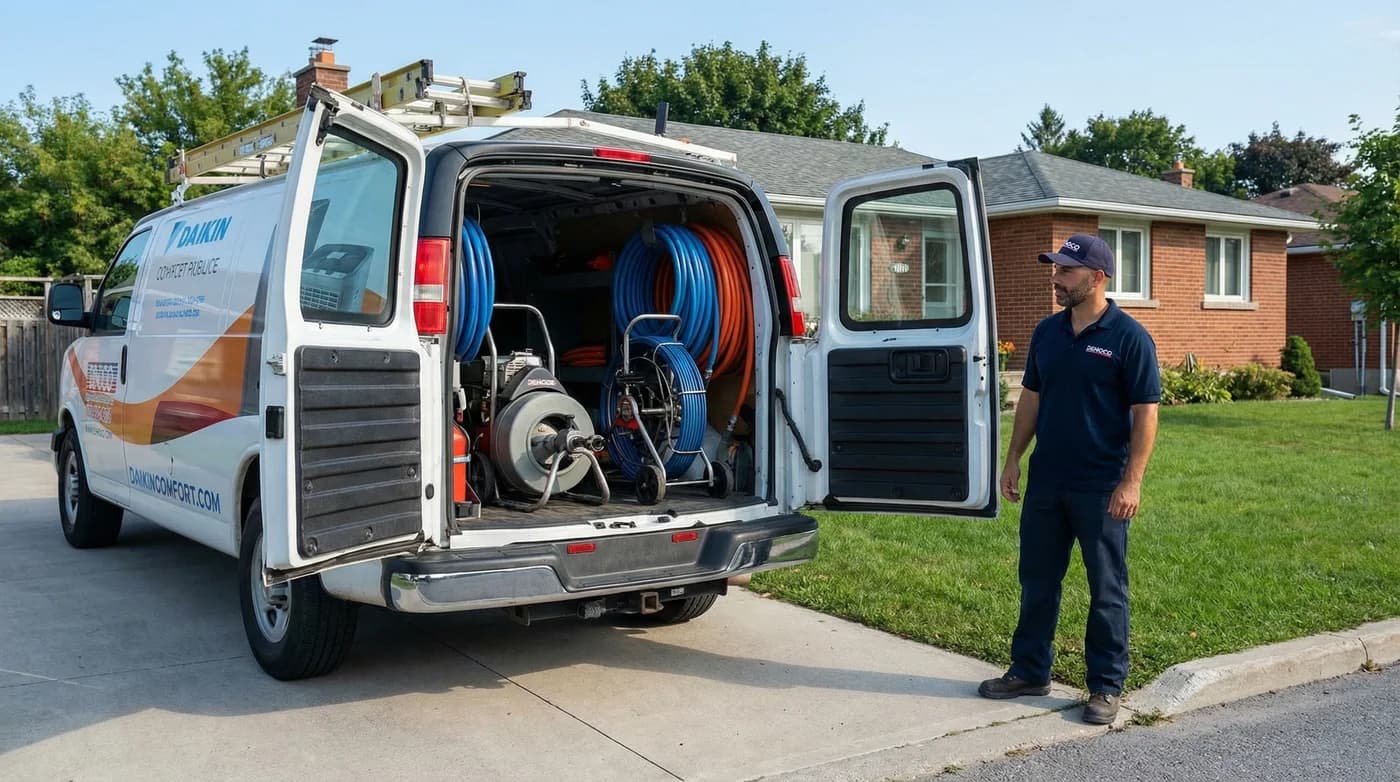
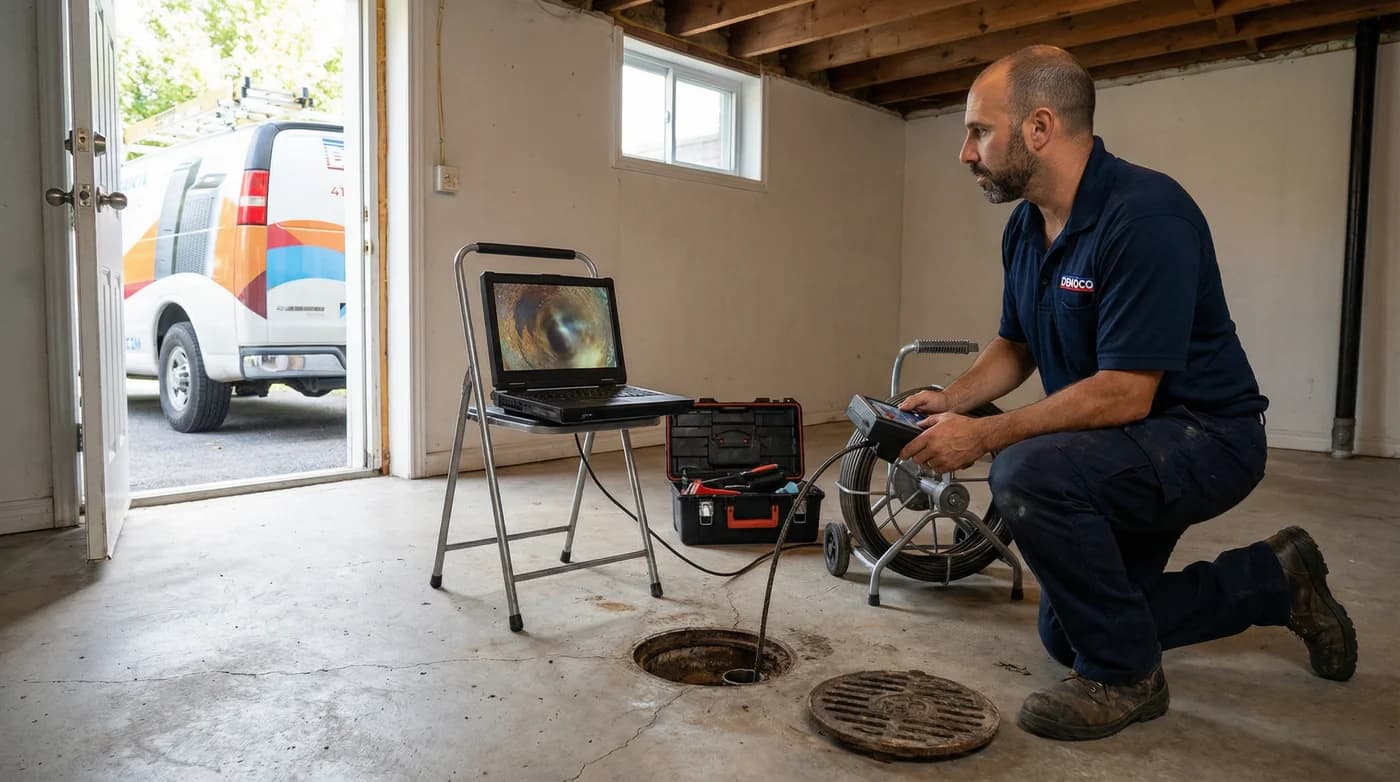
What to expect
Drain service — diagnosis before drama
- Clarify which fixtures are affected and whether rain/thaw correlates
- Clear accessible blockages safely; recommend camera when pattern demands it
- Explain repair options: spot repair, spot replacement, or larger scope if needed
Sump pump service — performance, not just “a new pump in a box”
- Match pump GPH/head to your pit inflow and vertical lift
- Discharge routing that drains in winter and terminates away from the foundation
- Check valve, alarm, and backup strategy if you need outage protection
Seasonal readiness (South-Eastern Ontario)
- Spring: test pump before melt; clear discharge outlet of ice and debris
- Storm season: verify backup power and extension cord safety if used temporarily
- Fall: check pit and discharge before freeze; plan valve/pump service if neglected
Questions homeowners ask
These are the real questions people ask before they call. If you want straight answers, you're in the right place.
- Why do my drains keep backing up?
- One-time clogs are often local. Recurring backups usually mean a partial blockage, root mat, belly in the line, vent restriction, or sewer surcharge during storms. Clearing may restore flow temporarily; finding the cause requires pattern recognition and sometimes camera inspection.
- How do I know if my sump pump is failing?
- Loud grinding, vibration, short cycling, running nonstop, or no discharge during a storm are warning signs. Test by pouring water into the pit and watching for strong discharge away from the foundation. If the pump is old or corroded, proactive replacement before freeze season beats an emergency at 2 a.m.
- Do I need a backup sump pump?
- If you’ve flooded before, finish a basement, or lose power in the same weather that fills the pit, backup protection is cheap compared to water damage. Battery backups are typical; water-powered units work where pressure and code allow. We’ll explain trade-offs for your house.
- Why does my sewer smell in the basement?
- Dry floor-drain traps, missing cleanout caps, blocked vents, or a stuck backwater flapper can let sewer gas in. Pouring water into a dry trap sometimes fixes it. Persistent odour needs a plumber — not sprays — to verify venting and line integrity.
- Can you camera the line?
- Yes. We recommend it when problems repeat, multiple fixtures are affected, or you need video for insurance, purchase decisions, or lining/excavation planning. You’ll know what we saw and where — not a vague “looks bad.”
- What causes gurgling toilets and tubs?
- Gurgling usually means air can’t vent properly or the main line is restricting flow — water pulls trap seals. It can precede a full backup. Don’t ignore it if it happens with laundry or heavy rain; we trace venting and main-line performance.
- Are flushable wipes safe for drains?
- They don’t behave like toilet paper in sewers and drains. Many municipal campaigns document blockages tied to wipes and hygiene products. Bin them — your lateral and the city main will both behave better.
- How do I maintain a backwater valve?
- Manufacturers expect periodic access: inspect the flapper for debris, ensure it moves freely, and keep a clear access cover. After a surcharge event, have it checked. Poor maintenance is a common reason valves fail open or stick closed.
- What is weeping tile and how does it relate to my sump?
- Perimeter drainage (often called weeping tile) collects groundwater at the footing and routes it to a sump pit. If the pit never runs in spring, tile may be plugged or bypassed — or water is going somewhere else. We help interpret pit behaviour with what you see seasonally.
- Will insurance pay for sewer backup?
- Policies differ: sewer backup and overland flooding are often separate endorsements. Document dates, photos, and plumber findings. We can provide clear notes on what failed and what was repaired to support your adjuster’s review.