
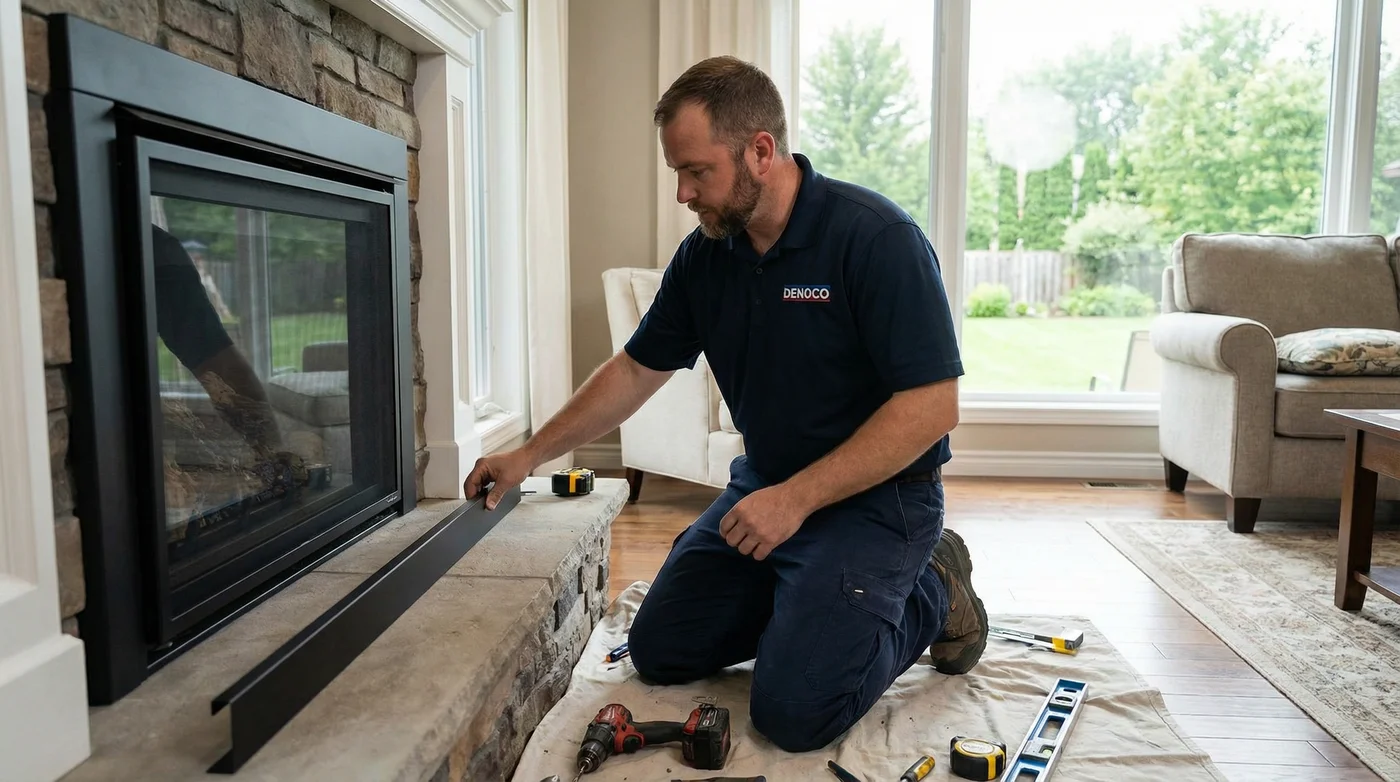
This service is delivered from our Kingston branch for Westport.
Fireplace Installation & Service in Westport, ON
Premium work with honest diagnostics, clear scopes, and documentation you can keep. We route service by postal code and service type — your primary coordination branch is Smiths Falls (HQ).
About this service in Westport
Gas (NG/propane) and wood/pellet fireplaces — installs, troubleshooting, and safety-first service.
Common questions
What does Denoco handle for fireplace service in South‑Eastern Ontario?
Denoco installs and services natural gas and propane fireplaces from both branches. For wood and pellet (WETT-related) inspections and compliance work, Kingston handles that scope. If you’re not sure what you have, we’ll help identify the appliance type and the right next step.
- Gas fireplaces: installs, troubleshooting, service, and venting checks
- Propane fireplaces: rural installs/service and winter vent termination issues
- Wood/pellet: planning and guidance; WETT-related compliance via Kingston
Should I choose natural gas, propane, or wood/pellet for a fireplace?
Gas (NG/propane) is typically the lowest-maintenance “press a button” option. Propane is common in rural South‑Eastern Ontario where natural gas isn’t available. Wood can provide strong outage resilience, but only if you’re ready for fuel handling and routine sweeping/inspection.
- Natural gas: convenient where available; low day-to-day maintenance
- Propane: good rural fit; tank logistics and winter accessibility matter
- Wood/pellet: more maintenance; wood can work during outages, pellets often need power
Why won’t my gas fireplace stay lit (or keep turning off)?
The most common causes are ignition/sensing components (thermocouple/thermopile, pilot/igniter) and control issues — but airflow and venting problems can create the same symptoms. We diagnose to the model and verify safe operation before calling it “fixed.”
- Ignition/sensing: pilot assembly, thermocouple/thermopile, flame rectification
- Controls: switch/remote, control board, safety limits
- Airflow/venting: blocked termination, loose venting, downdraft conditions
What safety checks matter most for fireplaces?
Venting and combustion safety come first. Direct‑vent fireplaces are designed to pull combustion air from outside and exhaust outside — but only if the venting is intact and correctly installed. If anything suggests backdrafting, blockage, or improper clearances, we treat it as a safety issue before comfort.
- Venting integrity: termination condition, blockage, loose connections
- Clearances and finish constraints around the unit and vent runs
- CO risk factors and signs of poor combustion/airflow
Do fireplaces require special licensing or WETT inspections in Ontario?
Gas fireplace installation and service is regulated and should be performed by properly licensed professionals under TSSA oversight. Wood and pellet appliances commonly need WETT-related documentation for insurance/resale and to confirm clearances, liners, draft, and overall safety — and Kingston is where Denoco handles that compliance scope.
- Gas (NG/propane): regulated work with licensing and code requirements
- Wood/pellet: clearances + venting/liner + draft verification are critical
- WETT-related inspections/compliance: Kingston branch scope at Denoco
What makes a fireplace install “simple” vs “complex”?
Most surprises come from venting route, chimney/liner condition (for conversions), and clearances hidden behind finished walls. We scope these early so you know what’s involved before the job starts — especially for conversions and rural propane installs.
- Venting route and termination location (wind/snow exposure matters)
- Chimney/liner condition for wood-to-insert conversions
- Clearances to combustibles and finish constraints
Should I repair my fireplace or replace it?
Repair is usually the right call when the firebox and venting are sound and the problem is ignition/controls or normal service items. Replacement becomes smarter when parts are obsolete, venting is unsafe/non‑compliant, or you want a step-change in reliability, heat output, or controls.
- Repair: service parts and diagnostics on a safe, supportable unit
- Replace: obsolete parts, recurring failures, or venting/safety constraints
- We’ll explain options in plain language with clear costs and trade-offs
Service gallery
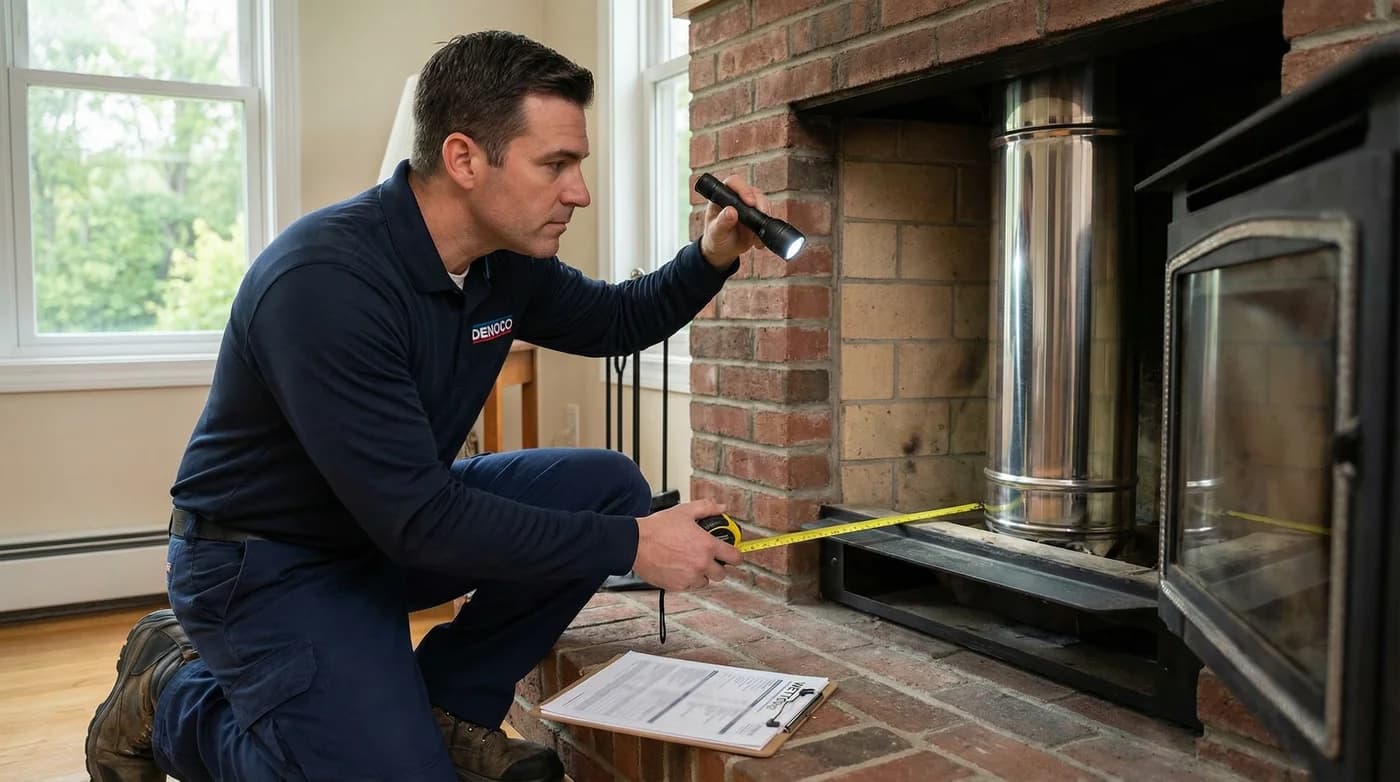
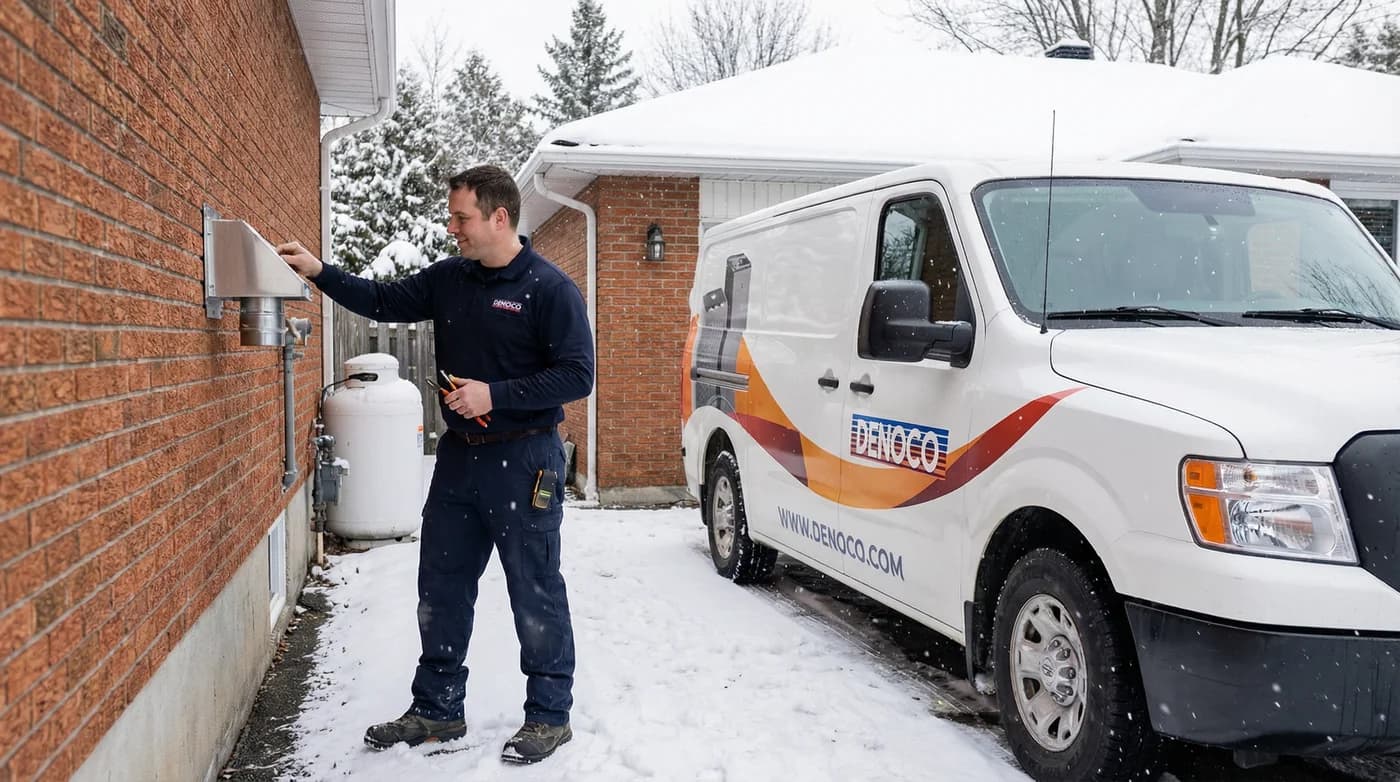
Fireplace Installation & Service FAQ
Straight answers for homeowners in Westport.
- Do you install and service fireplaces from both branches?
- Yes for natural gas and propane fireplaces. For wood/pellet (WETT-related) inspections and compliance work, Kingston handles that scope.
- Should I choose gas or wood/pellet in South‑Eastern Ontario?
- Gas (NG/propane) is the lowest-maintenance option for “press a button and it works.” Wood can be great for outage resilience, but it comes with a real maintenance commitment (sweeping/inspection, dry fuel, and draft management). Pellets sit in between but typically need power for the feed system.
- Why won’t my gas fireplace stay lit?
- Common culprits include a weak thermocouple/thermopile, dirty pilot/ignition components, sensor or control issues, or venting/airflow problems. We diagnose to the specific model instead of guessing parts.
- Why do I smell gas near the fireplace?
- Shut off the appliance, ventilate, and treat it as urgent. If the odour is strong or persistent, leave the space and contact your utility/propane supplier. Once it’s safe, we can leak-check fittings/valves and verify venting and combustion.
- Do I need WETT for a wood or pellet fireplace?
- Often yes — especially for insurance files, resale, or when adding/changing a wood appliance. WETT inspections focus on clearances, venting/liners, and safety. Kingston provides WETT-related wood/pellet fireplace inspection and compliance support.
- Can I convert a wood fireplace to gas?
- Sometimes via a listed gas insert and approved venting. “Drop‑in” conversions aren’t always compliant or safe. We verify clearances, venting, and manufacturer listings before quoting.
- What are the first signs my wood fireplace needs attention?
- Smoke smell in the room, poor draft, excessive soot, or any chimney staining can indicate venting/draft problems. Creosote buildup is a fire risk — sweeping plus inspection is the right starting point.