
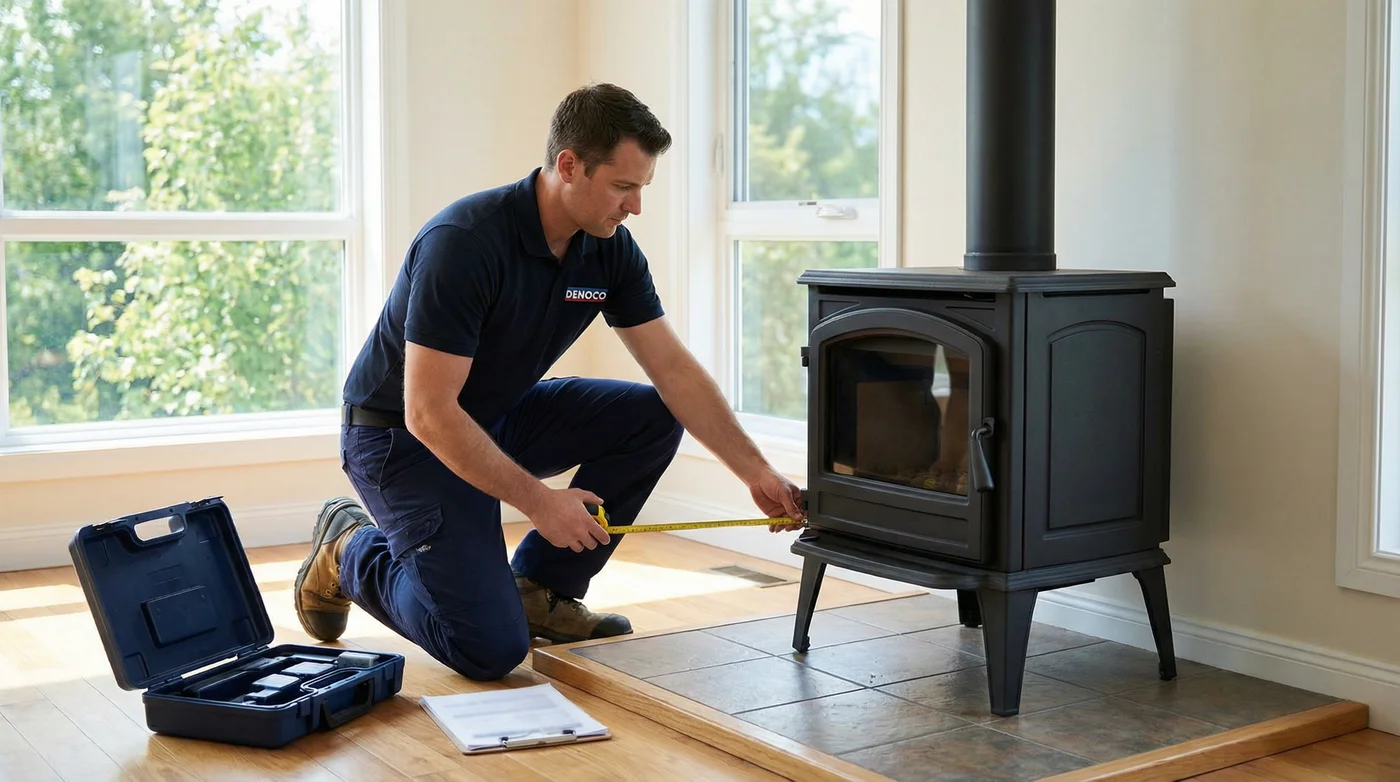
WETT Inspection (Wood Stove & Fireplace) in Rockport, ON
Premium work with honest diagnostics, clear scopes, and documentation you can keep. We route service by postal code and service type — your primary coordination branch is Kingston.
About this service in Rockport
WETT inspections for insurance, home sales, and peace of mind — clear documentation and practical next steps.
Common questions
What is a WETT inspection and why do people request it?
A WETT inspection is a standardized inspection and reporting process used to evaluate a wood-burning system against applicable codes and standards. It’s often requested for insurance or real-estate documentation when a home has a wood stove, fireplace, insert, or other solid-fuel setup, because it creates a consistent report of what’s installed and what can be verified.
What are the WETT inspection levels?
WETT defines multiple levels of inspection (including visual, technical, and invasive approaches) to match how much of the system can be accessed and verified. The right level depends on your installation, access conditions, and what the requesting party requires. We’ll confirm the scope before the visit so expectations are clear.
What does a WETT report include (compliant vs not compliant vs UTI)?
WETT inspection reporting indicates compliance by section and may show outcomes such as compliant, not compliant, not applicable, or unable to inspect (UTI) when something can’t be verified without additional access. A good report makes it obvious what needs attention and what is simply not verifiable as-is.
What parts of the system are typically inspected?
A WETT inspection focuses on the wood-burning appliance/system and its installation. Practically, that means documenting the appliance and visible venting/chimney components, verifying what can be verified safely, and noting any conditions that affect compliance or safety. The inspection level determines how deep the verification goes.
- Appliance and visible connector/pipe components
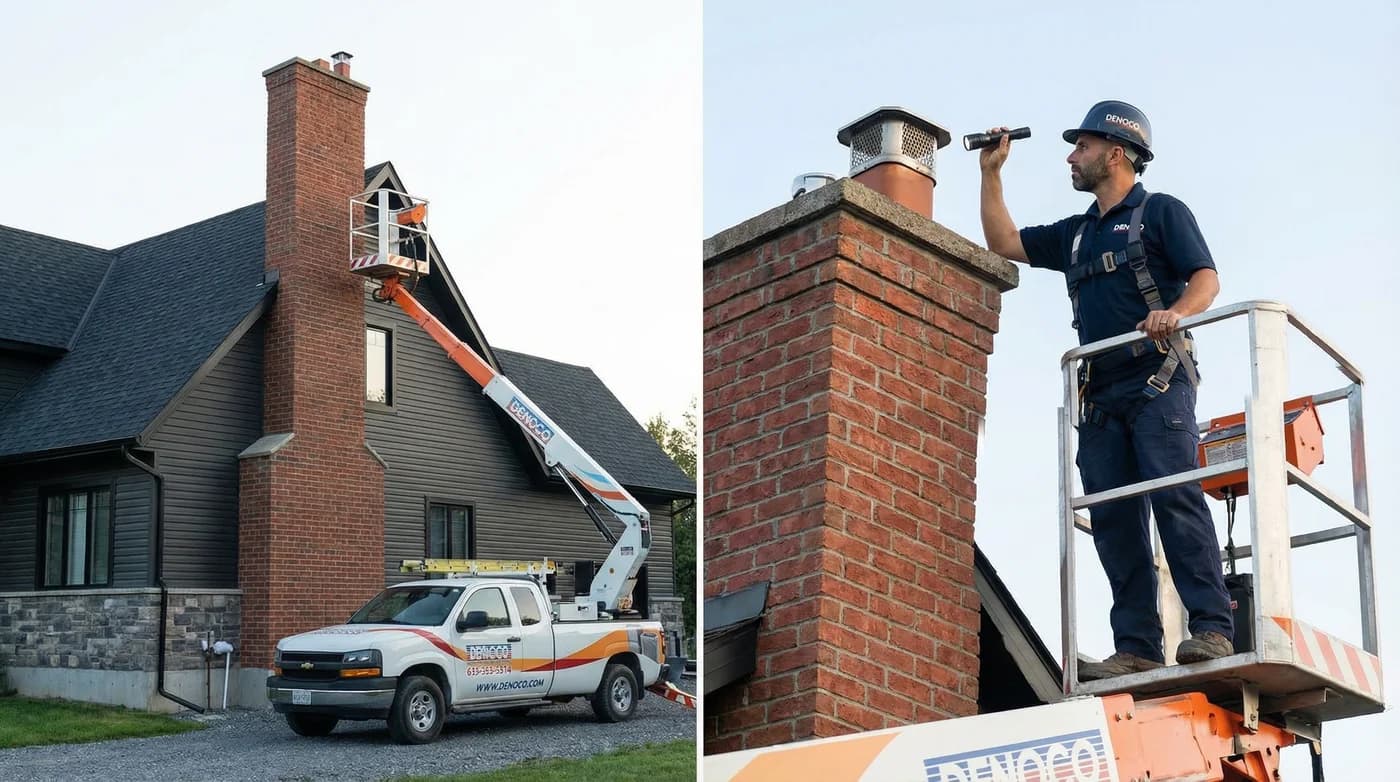
- Accessible chimney/venting components and termination where safely reachable
- Hearth and surrounding area conditions (as accessible)
How do I verify a WETT-certified inspector?
WETT provides a professional search tool so you can verify members. WETT-certified professionals are also issued WETT identification. If you’re comparing options, verify current membership and ask what inspection level you’re purchasing so you don’t pay for the wrong scope.
How should I prepare for a WETT inspection appointment?
Preparation is mostly about access and documentation. Clear the area around the appliance and hearth, make sure the connector/pipe run is visible, and provide any paperwork you have (manuals, past receipts, liner details). If an insurer gave specific wording or a form, provide it so the report aligns with their request.
- Clear access to stove/fireplace, pipe run, and hearth
- Gather any installation paperwork, manuals, or prior inspection notes
- Share insurer/lawyer instructions if they requested specific reporting
Will you “open walls” or do destructive work during the inspection?
Inspection depth depends on the required WETT level and safe access. We don’t perform destructive opening unless it’s part of the agreed scope. If something can’t be verified without additional access, the report should reflect that clearly (for example: UTI) and we’ll explain options to proceed.
Does Denoco cover South-Eastern Ontario for WETT inspections?
Yes — this is a Kingston-based service. If you’re in South-Eastern Ontario and need documentation for insurance renewal, a home sale, or peace of mind, we’ll help you confirm scope, access needs, and what you’ll receive before booking.
Official links (WETT)
WETT publishes official information about inspections, inspection levels, and professional verification. Use these to confirm current terminology and requirements before you book or submit paperwork.
- WETT: About WETT inspections
- WETT: Levels of inspections
- WETT: Frequently asked questions
- WETT: Find a professional (member search)
- WETT: Insurance interests (industry context)
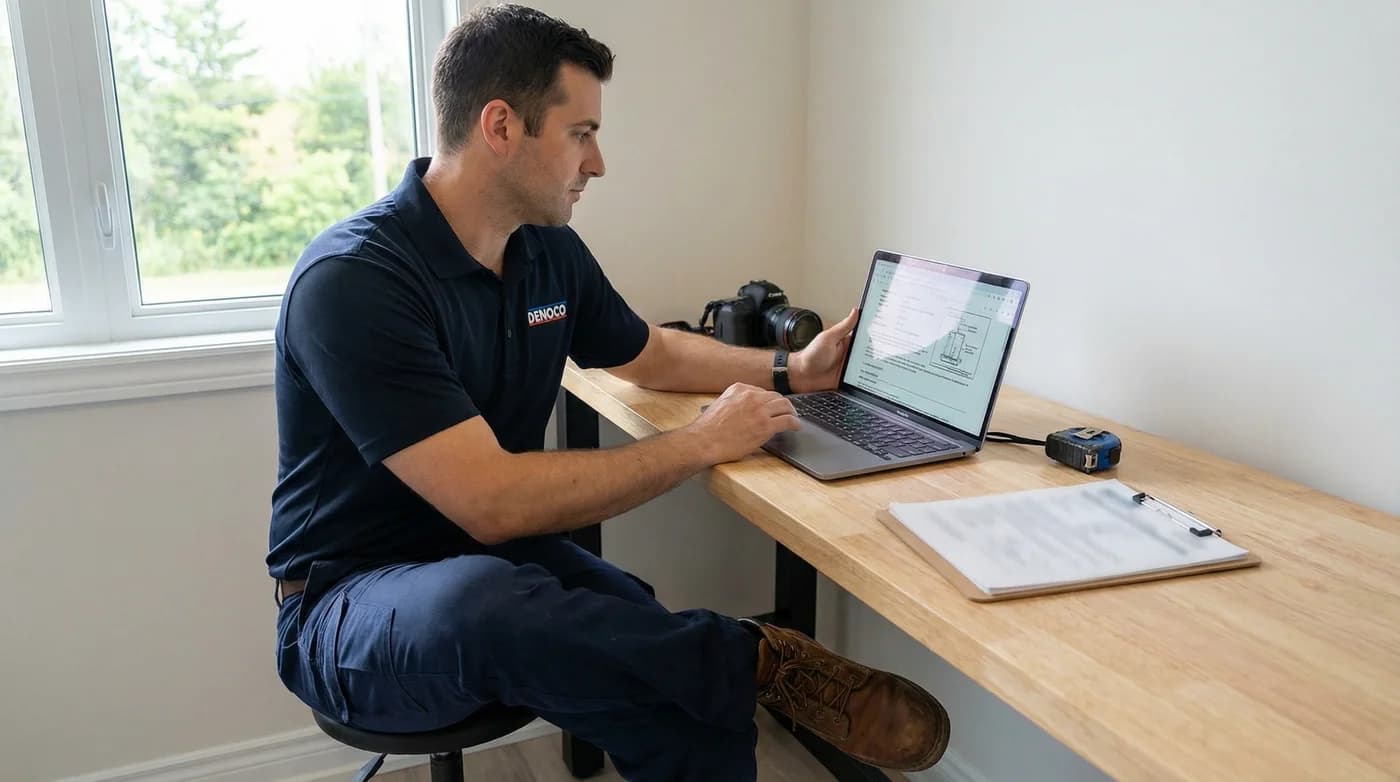
Service gallery
WETT Inspection (Wood Stove & Fireplace) FAQ
Straight answers for homeowners in Rockport.
- What is a WETT inspection?
- A WETT inspection is a standardized inspection process used to evaluate a wood-burning appliance/system against applicable codes and standards and to produce a documented report. It’s commonly requested for insurance and real-estate files when a home has a wood stove, fireplace, insert, or other solid-fuel setup.
- What “level” of WETT inspection do I need?
- WETT defines multiple inspection levels (including visual, technical, and invasive approaches). The level needed depends on what can be safely accessed/verified and what the requesting party (often an insurer) requires. We’ll confirm the scope up front so you know what is and isn’t included.
- What does the WETT report show?
- WETT inspection reporting indicates compliance by section and can include outcomes such as compliant, not compliant, not applicable, or unable to inspect (UTI) where something can’t be verified without additional access. The report is designed to be shareable and consistent for insurers and stakeholders.
- Do you verify WETT certification?
- Yes. WETT provides a public professional search tool to verify membership, and certified professionals are issued WETT identification. If you’re comparing inspectors, confirm current membership and the scope of inspection you’re paying for.
- Does a WETT inspection include a chimney sweep?
- A WETT inspection is an inspection and report. Sweeping/cleaning is a separate service. If your system needs cleaning first to make inspection safer or more complete, we’ll tell you what we recommend and why.
- Can a WETT inspection guarantee my insurer will cover me?
- No. Insurers set their own underwriting rules. A proper WETT inspection improves clarity by documenting what exists and what is or isn’t compliant/inspectable, so you can address issues with fewer surprises.
- What should I do before the inspection?
- Clear access to the appliance, connector/pipe run, and hearth area. If possible, have any installation paperwork, manuals, or notes about past changes (liner, appliance swap, roof work). If your insurer provided a specific request, have that handy so the report matches what they’re asking for.