
Radon Mitigation in Rockport, ON
Premium work with honest diagnostics, clear scopes, and documentation you can keep. We route service by postal code and service type — your primary coordination branch is Kingston.
About this service in Rockport
Reduce radon levels with properly engineered mitigation.
Common questions
What is the Health Canada guideline for radon?
Health Canada’s guideline recommends taking action when long-term testing shows 200 Bq/m³ or higher in a normally occupied area on the lowest lived-in level of your home.
- Test first — the only way to know your level
- 200 Bq/m³ or higher: plan mitigation (sooner if levels are much higher)
- Verify after mitigation with follow-up testing
How should I test for radon in Ontario?
Health Canada recommends long-term testing (minimum 91 days) during the heating season (typically October–April), placed in a normally occupied area on the lowest lived-in level. Short tests can miss the real average because radon fluctuates.
- Minimum 91 days (longer is better for an annual picture)
- Heating season is preferred for conservative, realistic results
- Lowest lived-in level (basement if regularly used)
How do you know mitigation worked?
You verify it with post-mitigation testing. A reputable contractor expects (and encourages) a confirmatory test after installation, and Health Canada also recommends retesting periodically (for example, every five years) to confirm continued performance.
What does radon mitigation look like (high level)?
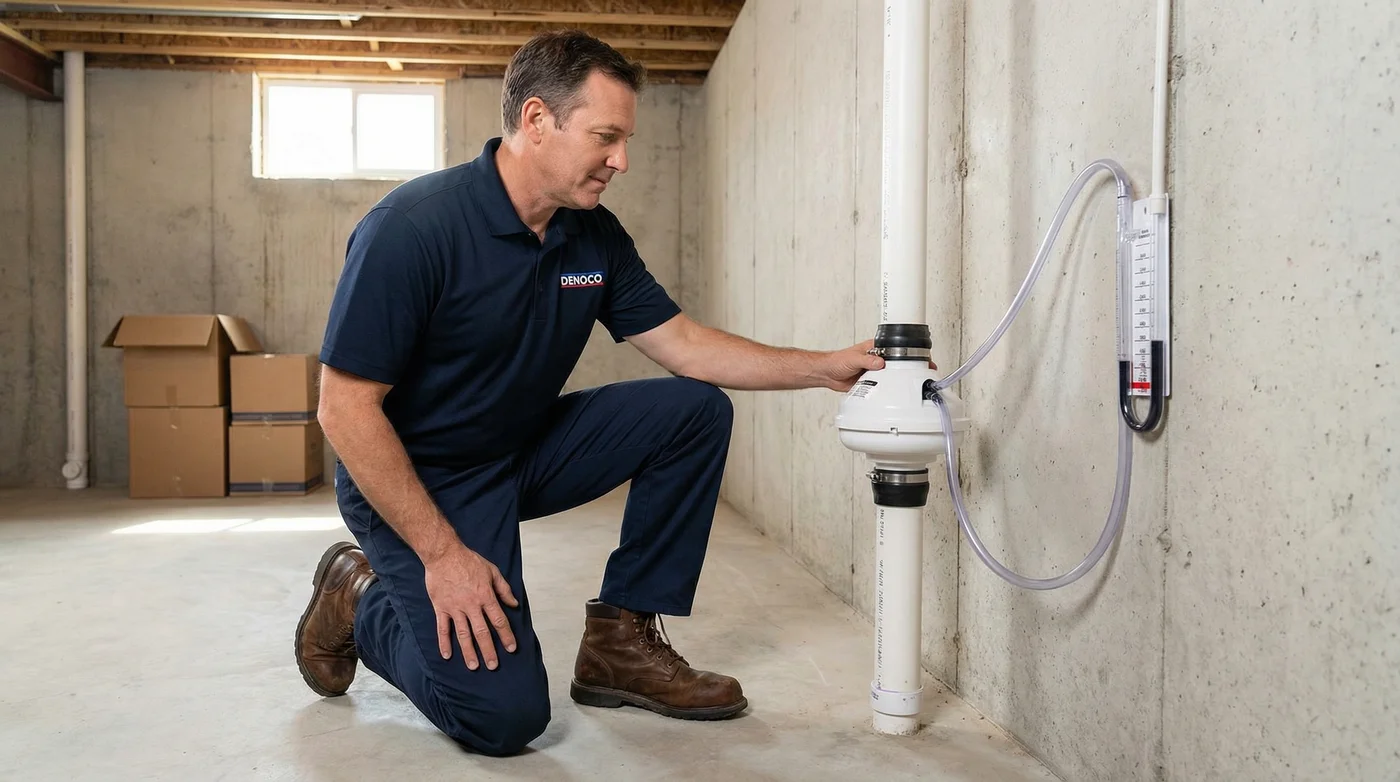
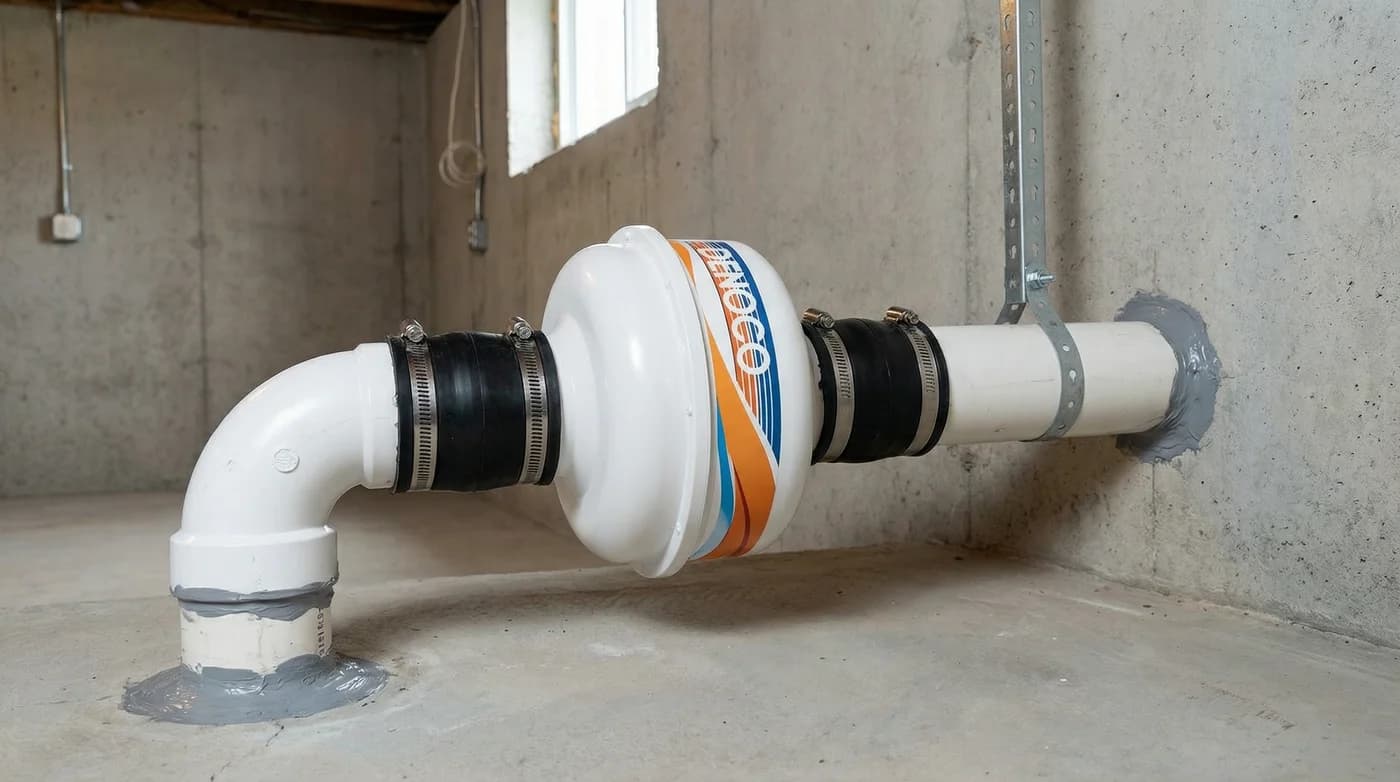
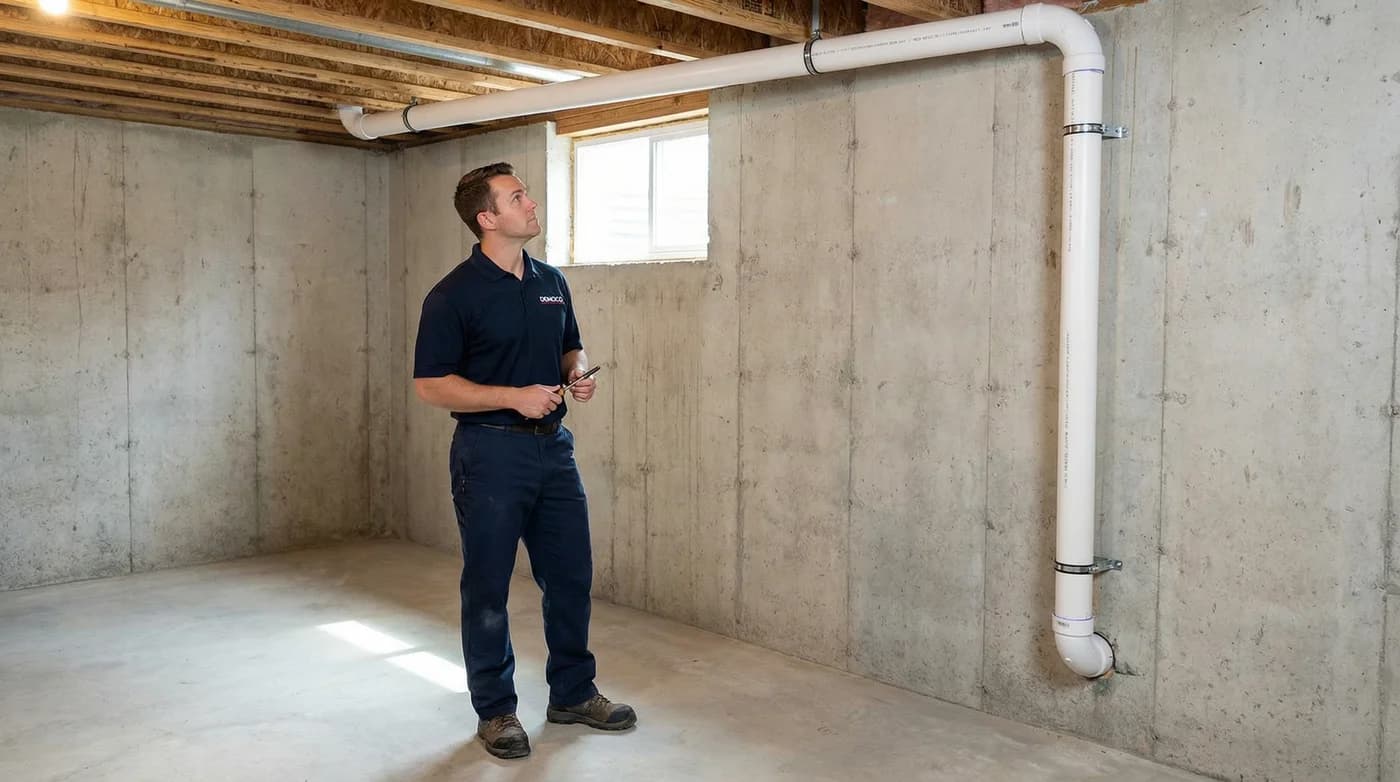
Most mitigation systems reduce radon by controlling how soil gas enters and is exhausted from the home. The details depend on your foundation type and entry pathways. The outcome should be simple: lower readings, quiet operation, and a clean installation you can understand.
Is radon mitigation worth it?
If your long-term test is above the guideline, mitigation is the responsible next step. Health Canada notes that mitigation systems can reduce levels significantly in most homes and can often be installed quickly — the goal is measurable risk reduction with verified results.
Service gallery
Radon Mitigation FAQ
Straight answers for homeowners in Rockport.
- What radon level is considered high in Canada?
- Health Canada’s guideline recommends taking action at 200 Bq/m³ or higher based on long-term testing in a normally occupied area.
- How long should I test for radon?
- Health Canada recommends a long-term test of at least 91 days (and longer is even better), ideally during the heating season (October–April).
- Are 48-hour radon tests accurate?
- Short tests can be misleading because radon fluctuates daily and seasonally. Health Canada does not recommend tests shorter than 91 days for residential decisions.
- Where should the test go in my house?
- Place it in a normally occupied area on the lowest lived-in level (for example, a basement family room if you use it daily), following the kit instructions and Health Canada guidance.
- If my level is above 200 Bq/m³, how quickly should I act?
- Health Canada recommends mitigating within 1 year, and sooner when levels are significantly higher. We’ll help you interpret your result and plan the timeline.
- How do I know mitigation worked?
- By retesting after installation (and periodically thereafter). We’ll give you a clear retest plan so you’re verifying, not assuming.
- Will the mitigation fan be loud?
- A properly selected and installed system should be unobtrusive. We discuss placement and noise expectations up front and keep the install clean and serviceable.
- Does mitigation increase heating bills?
- Energy impact depends on system design and house conditions. The priority is measurable radon reduction with a properly installed system; we’ll explain what changes (and what doesn’t) in your home.
- Do I need to retest again in the future?
- Yes. Health Canada recommends retesting periodically (for example, every five years) to confirm continued performance, even if you have an active system.
- Do you serve my area?
- Radon mitigation is delivered through our Kingston branch for South-Eastern Ontario. If you’re unsure, use the branch locator and we’ll route you correctly.