
Backup Generators in Pakenham, ON
Premium work with honest diagnostics, clear scopes, and documentation you can keep. We route service by postal code and service type — your primary coordination branch is Smiths Falls (HQ).
About this service in Pakenham
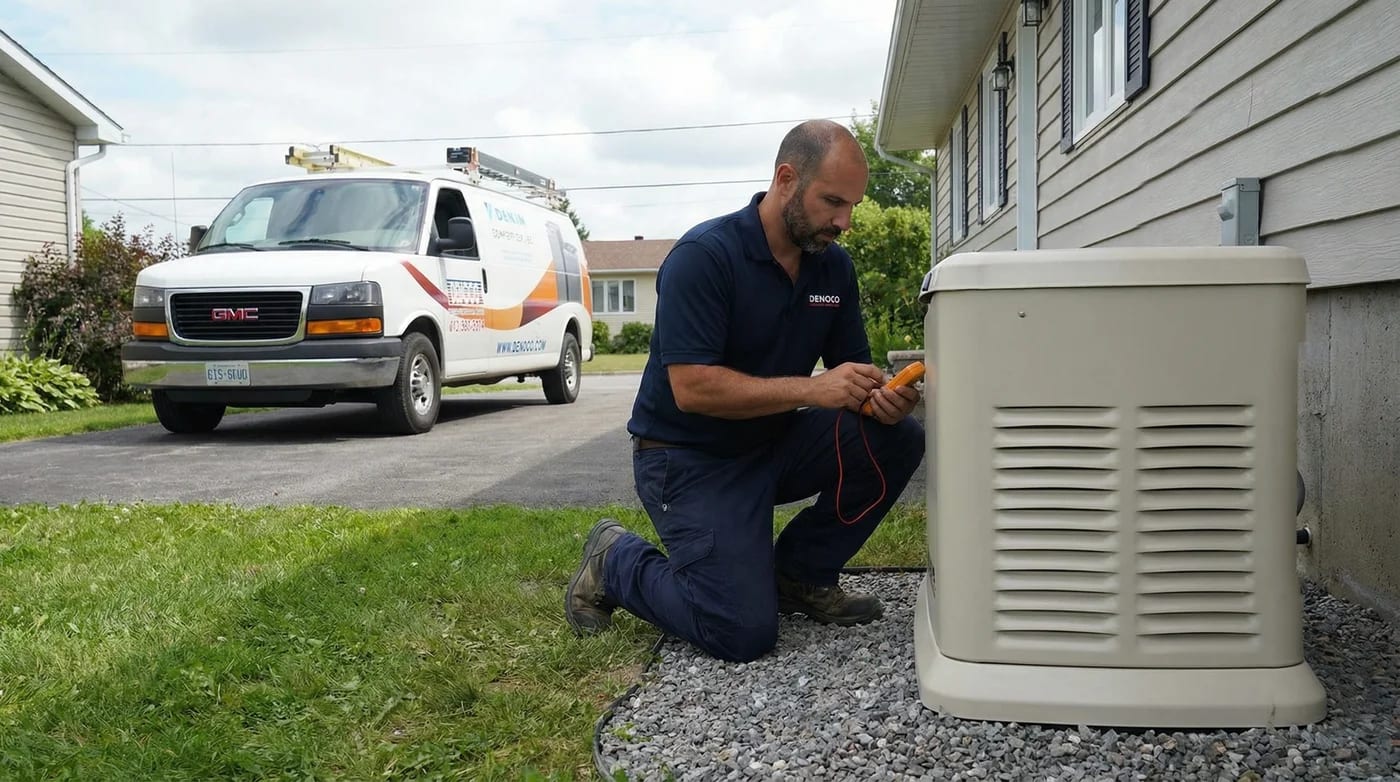
Kohler standby generators — whole-home or critical-load backup with proper transfer gear.
Common questions
Do I need a whole-home generator or a partial (critical-load) backup?
Most homeowners are deciding between comfort and budget. Whole-home backup can be convenient, but critical-load backup is usually the most predictable: you choose what stays on (sump, fridge/freezer, heat system, internet, a few lights) and size the generator and transfer equipment around those priorities. We start with a load list, not square footage.
How are generators sized (and why “starting amps” matter)?
Generator sizing is about real loads — including motor starting surge. Well pumps, sump pumps, fridges, and some HVAC equipment draw a higher inrush current at startup than their running watts suggest. We build a load plan that accounts for what can start at the same time, then select the Kohler unit and transfer approach that can actually handle that peak.
Why is a transfer switch non-negotiable?
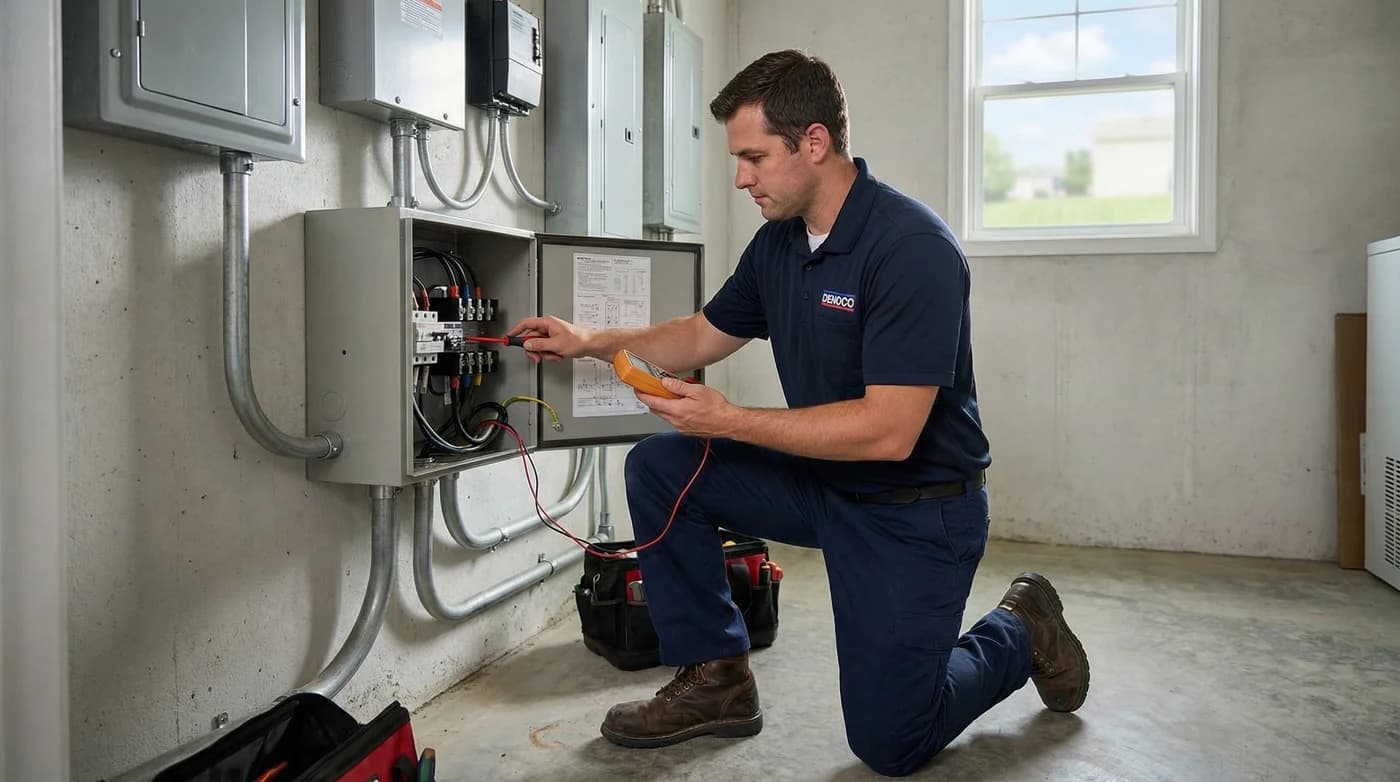
A properly installed transfer switch prevents backfeeding — sending generator power into utility lines — which is extremely dangerous for line workers and can damage equipment when utility power returns. Transfer equipment also defines what circuits are energized, and it enables safe automatic operation without relying on homeowner manual steps.
Natural gas vs propane for South-Eastern Ontario generators — how do we choose?
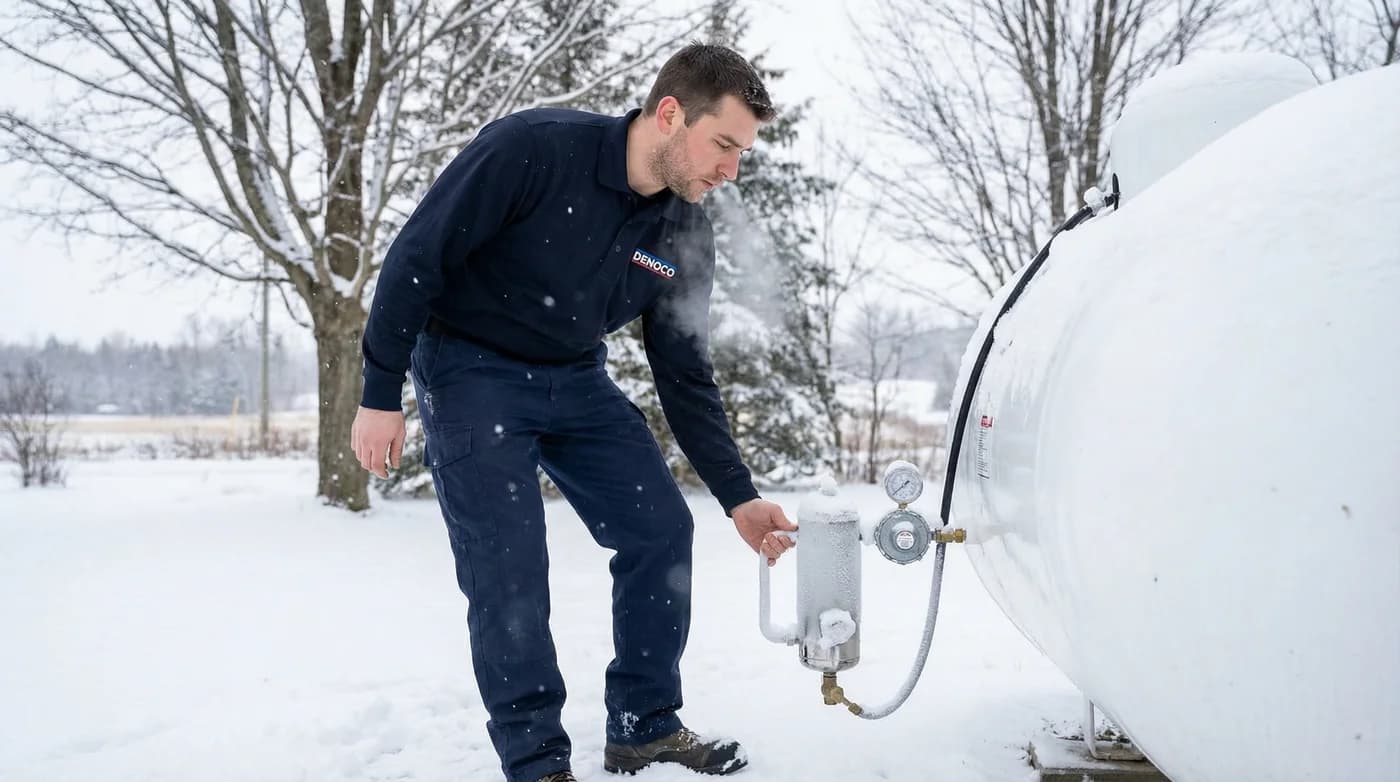
Natural gas can be convenient where service is available because you don’t manage a tank. Propane is common in rural areas and can be very reliable when tank sizing and regulators are planned for cold weather. The right choice depends on fuel availability, expected outage duration, your load size, and winter performance planning.
- Natural gas: convenience where service and capacity are adequate
- Propane: on-site fuel control; winter planning depends on tank size and vaporization
- We coordinate fuel + electrical scope so the system starts and runs reliably
What about carbon monoxide safety and generator placement?
CO safety is about placement and detection. Generators must be installed with proper clearances and away from openings and air intakes. Ontario has updated carbon monoxide alarm requirements coming into effect, and every home with fuel-fired appliances or attached garages should take CO detection seriously. We plan placement and walk you through CO-safe operation at handoff.
Do you handle permits and inspections for generator installs?
Yes. Generator installs include regulated electrical work and often regulated fuel connections. We coordinate the correct inspection path and provide documentation so your install is inspectable, insurable, and serviceable. Requirements can vary by municipality and site conditions, so we confirm what applies before we start.
How much does a Kohler standby generator cost installed?
Installed cost depends on the generator size, transfer equipment, fuel type, placement, trenching/conduit routing, and any electrical upgrades required. Whole-home scopes cost more than critical-load installs because the switchgear and load requirements scale. We quote after confirming your load priorities and site constraints — not by “average house.”
Pricing varies by home and scope. We confirm details before starting work.
How long does installation take?
Many residential installs are completed over a few days once equipment is on site, but timeline depends on inspections, fuel coordination, and any panel or service work. We’ll separate “site work” time from “inspection/commissioning” time so you know what to expect.
What maintenance should I plan for?
Standby generators need an ownership plan: scheduled exercise, periodic service (oil/filter/battery checks), and a winter readiness check. We set expectations at handoff and can provide a maintenance plan so the generator doesn’t sit for years and then fail on the one outage that matters.
What should I ask when comparing generator quotes?
Ask for load-based sizing, written scope, transfer switch approach, and what’s included in commissioning and the homeowner walkthrough. Ask who coordinates inspections, and what happens if the system trips on a high-start load during the first outage. A generator quote without those answers is a risk transfer to you.
- Load list + starting surge assumptions written down
- Transfer switch type and what circuits are backed up
- Fuel planning: gas line capacity or propane tank/regulator plan
- Commissioning + outage rehearsal included
Service gallery
Backup Generators FAQ
Straight answers for homeowners in Pakenham.
- Do you install Kohler generators?
- Yes. Denoco installs Kohler standby generators for South-Eastern Ontario homes and small properties. We size them based on a load list and starting amps, then commission the system and document what is (and isn’t) backed up so there are no surprises in an outage.
- What size generator do I need?
- Sizing depends on what you want to run and what can start at the same time. The biggest mistake is sizing by square footage. Pumps and motors have starting surge, and that’s what trips undersized systems. We create a critical-load list and size the generator and transfer equipment to match.
- Do I need a transfer switch?
- Yes. A transfer switch (or approved transfer equipment) prevents dangerous backfeeding into utility lines and keeps the installation code-compliant. It also defines which circuits are powered during an outage and enables safe automatic operation.
- Whole-home vs partial backup — what’s practical?
- Most homes do best with partial backup focused on critical loads: sump/well pump, fridge/freezer, heating system, internet, and selected lighting. Whole-home backup can be done but requires higher generator capacity and fuel planning. We’ll show the trade-offs clearly.
- Natural gas vs propane — which is better?
- Natural gas is convenient where service is available and capacity is adequate. Propane is common in rural areas and can be very reliable with proper tank sizing and cold-weather planning. The best option depends on your property, outage expectations, and fuel logistics.
- How loud is a standby generator?
- Noise depends on model, load, and placement. We choose locations and mounting details that reduce nuisance noise and avoid exhaust recirculation. If you’re sensitive to sound near bedrooms or property lines, tell us early — placement is the easiest time to solve it.
- How often should I service or exercise the generator?
- Standby generators should be exercised and serviced on a schedule per manufacturer guidance. We set up the exercise settings, explain what to watch for, and recommend a maintenance plan (oil/filter/battery checks) so the system stays reliable through winter storm season.
- Will a generator keep my sump pump running?
- It can — and that’s one of the most common reasons homeowners install standby power. The key is making sure the sump (and/or well pump) is included in the backed-up circuits and that the generator can handle starting surge. We prioritize this in the load plan.
- Do you handle inspections and documentation?
- Yes. We coordinate the correct inspection path for regulated work and provide documentation and a commissioning walkthrough. Requirements can vary by municipality and by whether you’re on natural gas or propane.
- How do I avoid bad generator installs?
- Avoid quotes that don’t include a load plan, don’t specify transfer equipment, or treat commissioning as optional. Ask what happens when high-start loads kick on, how fuel capacity is confirmed, and what is included in the homeowner handoff. If it’s vague, you’re buying risk.