
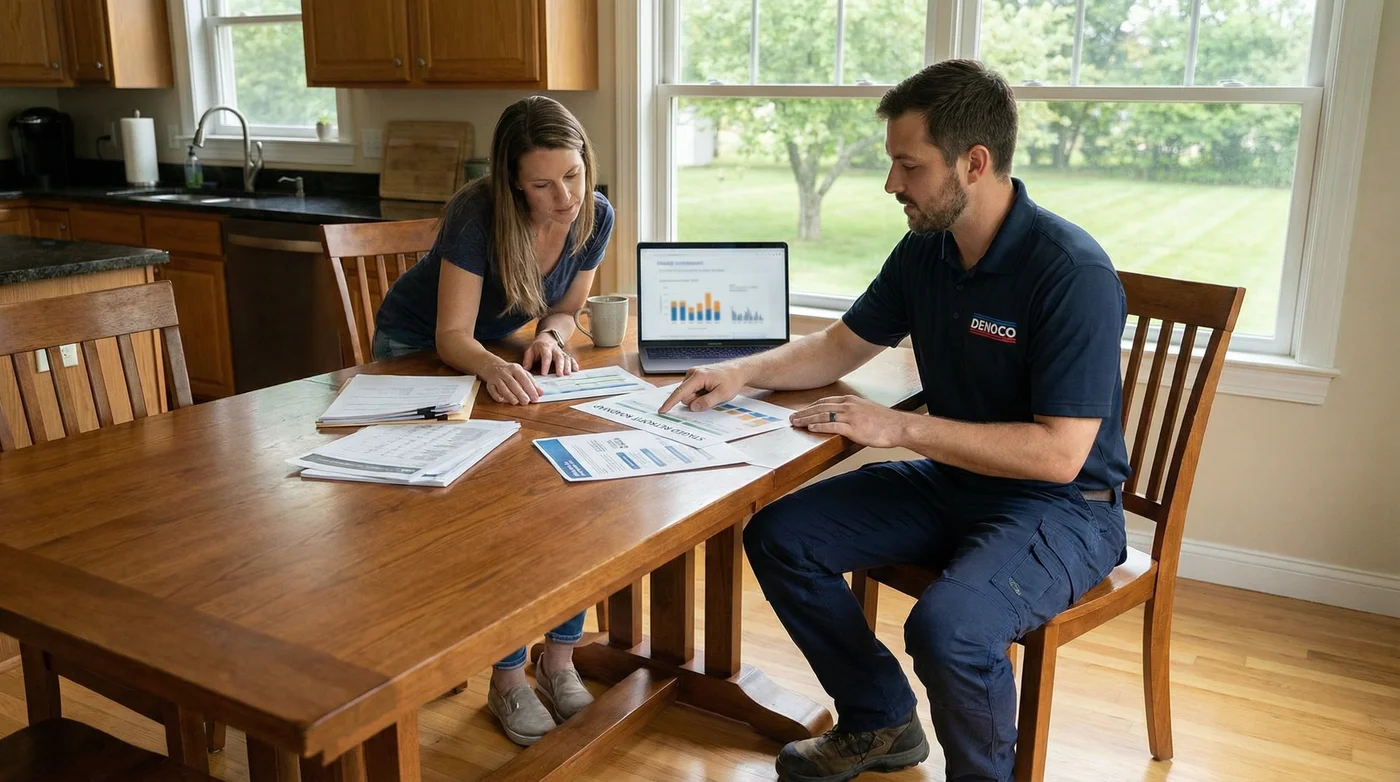
Net-Zero Planning in Napanee, ON
Premium work with honest diagnostics, clear scopes, and documentation you can keep. We route service by postal code and service type — your primary coordination branch is Kingston.
About this service in Napanee
A staged roadmap to a low-bill, resilient, future-proof home (net-zero ready when it makes sense).
Common questions
What does “net-zero planning” mean in plain English?
Net-zero planning is a staged roadmap to reduce your home’s energy demand first, then meet what’s left with efficient equipment and on-site generation. It’s not “buy solar” or “buy a heat pump.” It’s sequencing: tighten the building, ventilate properly, right-size heating and hot water, then add solar and storage when the math is real.
- Net-zero ready: the house is efficient enough that net-zero is achievable later
- Net-zero: annual energy use is offset by annual on-site generation (often solar)
- Resilience: critical loads keep running through outages with planned backup
Should I pursue net-zero for “green” reasons or for bill independence?
Both paths can share the same upgrades — but the priorities differ. The “green” path optimizes annual emissions and operating cost. The “independence” path prioritizes resilience: outage runtime, fuel flexibility, and critical loads (well pump, sump, refrigeration, communications). We design the roadmap around your motivation so you don’t overbuild the wrong thing.
- Green-first: envelope + electrification + solar; storage optional if outages are rare
- Independence-first: critical loads panel + storage + fuel backup + solar sizing for winter reality
What’s the right upgrade sequence for South-Eastern Ontario homes?
The fastest way to waste money is installing equipment before reducing loads. In our region, the high‑value sequence is usually: air sealing + attic/basement insulation, moisture-safe ventilation (HRV/ERV where needed), then heating/cooling and hot water, then solar and storage once loads are lower and electrical capacity is confirmed.
- Now: drafts, attic, rim joists, basement moisture clues
- Next: ventilation + heating/cooling right-sizing
- Later: solar PV + batteries once the load is smaller and predictable
How do heat pumps behave during Ontario cold snaps (and what’s the backup plan)?
Cold-climate heat pumps can work well here, but the plan has to include cold-snap behavior: defrost cycles, comfort expectations, and what provides heat on the worst days. Backup can be electric, a furnace/boiler in a hybrid system, or other site-appropriate options. We choose a strategy based on your house, your electrical service, and your risk tolerance.
- Design for real heat loss and airflow — not brochure sizing
- Define what happens during defrost and extreme cold
- Plan backup heat deliberately (not as an afterthought)
Grid-tied vs hybrid vs off-grid: what’s realistic in South-Eastern Ontario?
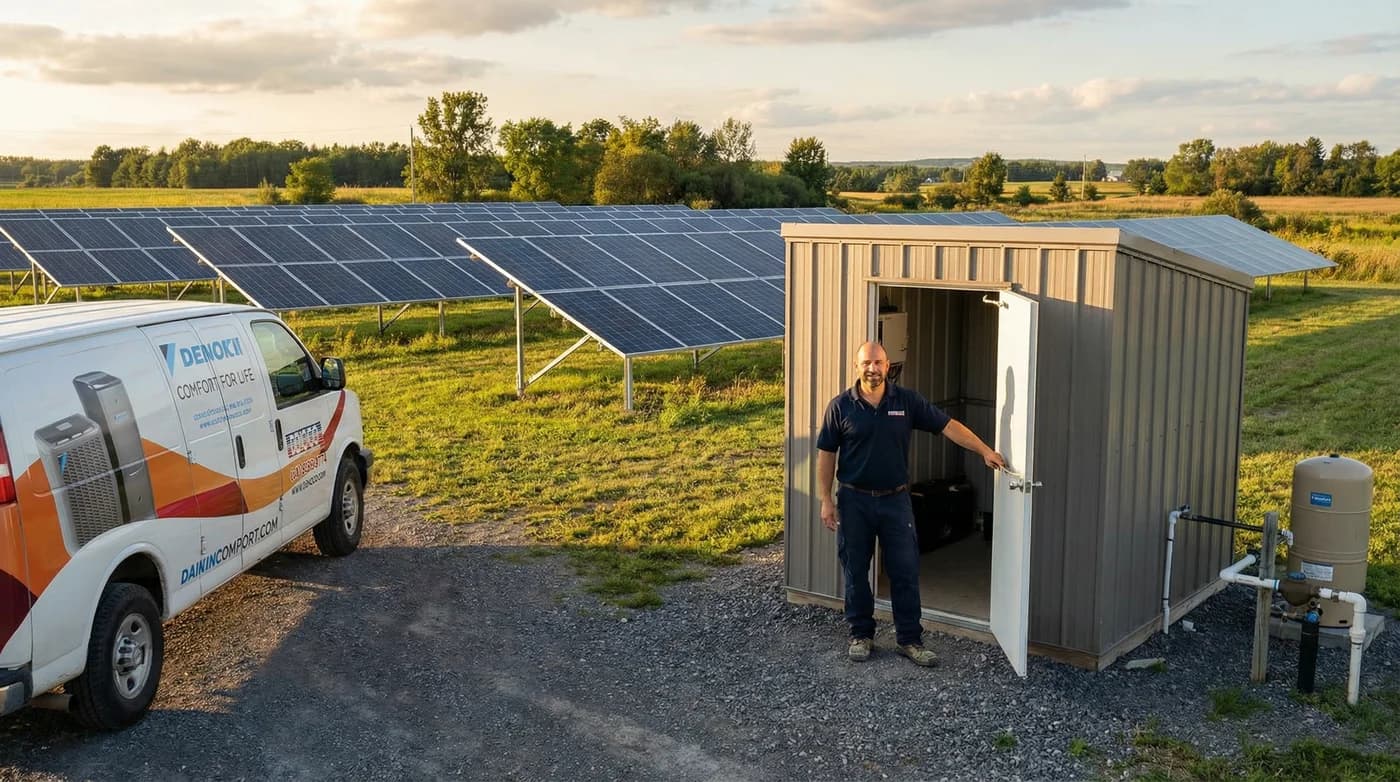
Most properties should remain grid-tied and design for resilience. True off-grid requires oversized generation and storage to survive winter, and often generator runtime. A hybrid approach (grid + solar + batteries + optional generator) typically provides the best blend of cost, convenience, and outage protection — especially for rural homes.
- Grid-tied: best economics and simplest operations
- Hybrid: resilience for outages with manageable system size
- Off-grid: feasible, but it’s a lifestyle choice with higher cost and maintenance
What electrical planning is required for net-zero and resilience?
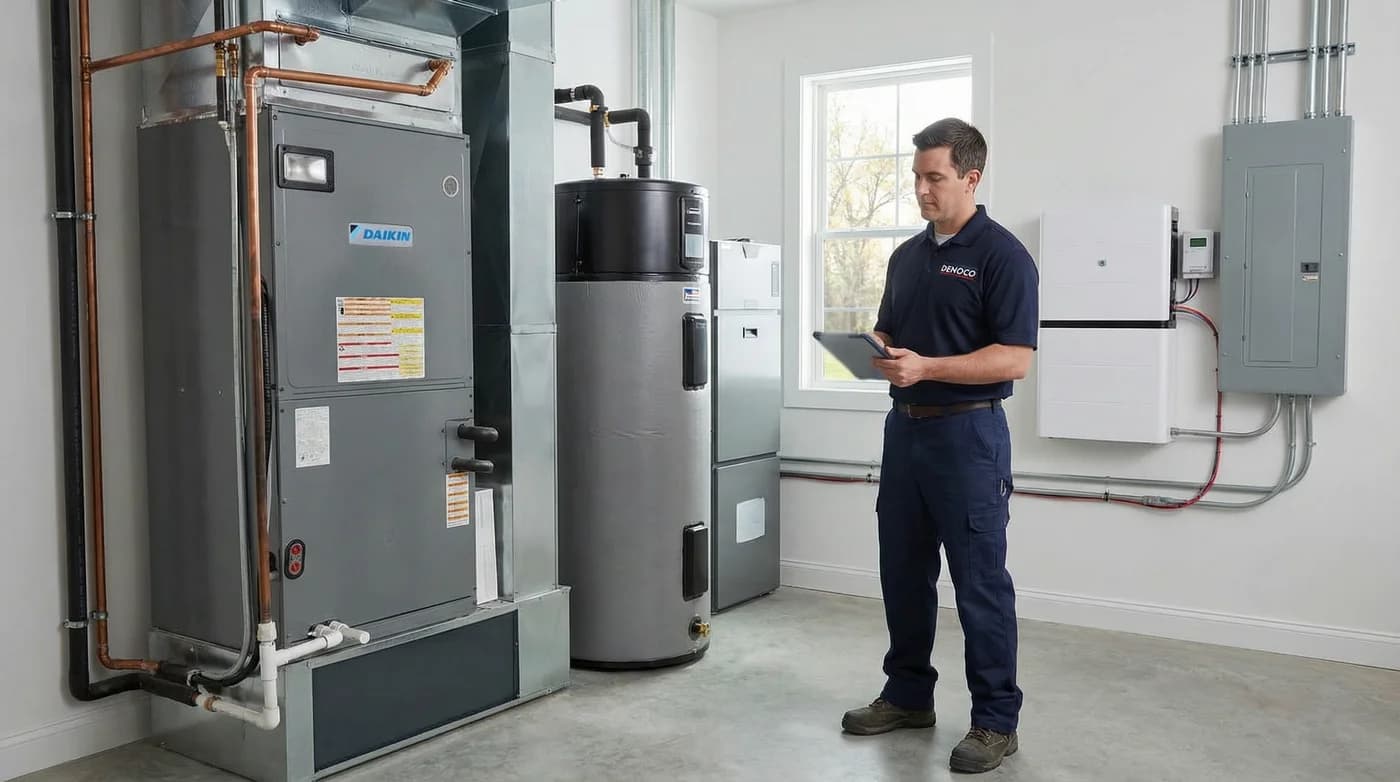
Net-zero-ready homes usually need electrical capacity planning: panel space, service size, and a critical loads strategy if resilience matters. We map big future loads (heat pump, HPWH, EV charging, well pump) and choose the cleanest wiring approach: critical loads subpanel, managed loads, or whole‑home backup where feasible.
What incentives or programs apply in 2025–2026?
Programs change — and not every home benefits from chasing every rebate. Current federal and provincial documents reference ongoing energy efficiency initiatives and housing resilience investments, but eligibility and funding windows can shift. We’ll point you to current official program pages and build a plan that still makes sense if incentives pause.
Always verify current rebates/loans on official program pages before purchase decisions.
What are the biggest net-zero planning mistakes (and how do you avoid them)?
The biggest mistakes are sequence and oversimplification: buying equipment before fixing the building, ignoring ventilation and moisture, and believing “whole-home backup” promises without a critical load plan. We avoid that by measuring first, documenting assumptions, and making each stage stand alone so you don’t get trapped by a single vendor pitch.
- Measure before you buy (envelope, loads, electrical constraints)
- Avoid “one product solves everything” pitches
- Demand written assumptions and commissioning docs
Service gallery
Net-Zero Planning FAQ
Straight answers for homeowners in Napanee.
- What’s the difference between “net-zero” and “net-zero ready”?
- Net-zero means your annual energy use is offset by annual on-site generation. Net-zero ready means the home is efficient and electrification-ready so net-zero is achievable later without rework.
- Can I do net-zero in stages without wasting money?
- Yes — staging is the smart way. The key is sequencing so each stage reduces future equipment size and avoids redo work (for example, envelope first, then HVAC, then solar/storage).
- Do I need batteries to be “net-zero”?
- Not necessarily. Batteries are primarily for resilience and load shifting. Net-zero is an annual energy balance; many net-zero homes are grid-tied without large batteries.
- If I’m building a resilient homestead, what loads should I prioritize?
- Critical loads are usually water (well pump), heat controls, refrigeration, communications, sump/septic, and a small set of lighting/outlets. We build a load list and size backup around runtime goals.
- Will a heat pump keep up in a South-Eastern Ontario winter?
- Often, yes — when selected and designed for your home’s heat loss and airflow. The key is defining the backup heat plan for the coldest days and commissioning the system properly.
- What’s the first step if I want “independence from bills”?
- Start with reducing the load: air sealing, insulation, and ventilation. Then electrify heating/hot water where sensible, and size solar/storage based on the reduced load. Independence is built on demand reduction first.
- How do I avoid scammy net-zero pitches?
- Avoid anyone who won’t measure the building, won’t discuss ventilation/moisture, or promises whole-home backup without a critical loads plan. Ask for written assumptions and commissioning documentation.