
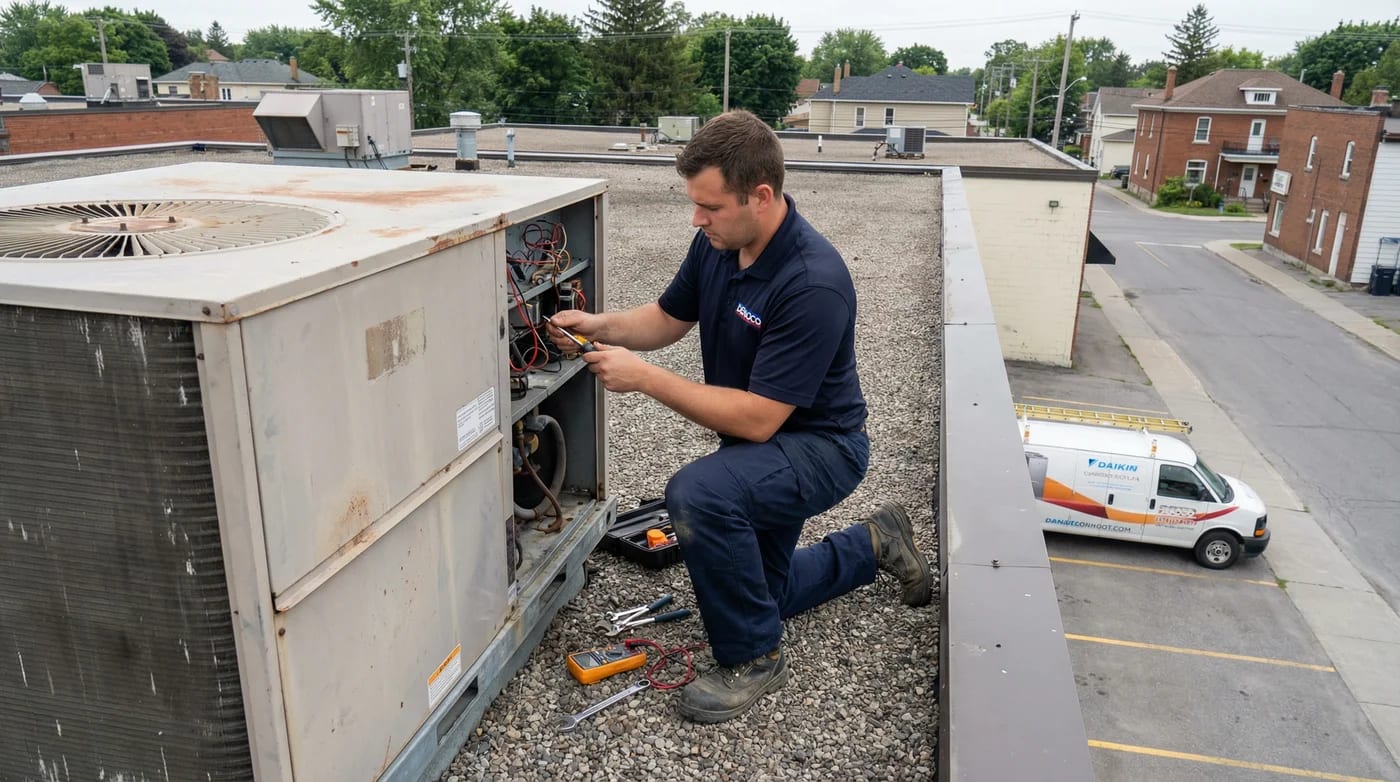
Commercial HVAC in Gananoque, ON
Premium work with honest diagnostics, clear scopes, and documentation you can keep. We route service by postal code and service type — your primary coordination branch is Kingston.
About this service in Gananoque
Planned maintenance, repairs, and light commercial HVAC support — with documentation you can hand to ownership.
Common questions
What should a commercial HVAC maintenance plan include?
A good plan is more than “two visits a year.” It combines seasonal tune-ups, filter schedules, safety checks where applicable, and documentation you can hand to ownership. The goal is fewer emergencies, faster troubleshooting, and predictable budgeting.
- Spring cooling visit + fall heating visit (minimum baseline)
- Filter plan aligned to occupancy/air quality (not one-size-fits-all)
- RTU/MAU checks: coils, belts, drains, economizers, safeties, controls
- Reporting: readings, photos where useful, and prioritized next steps
How often should commercial HVAC be serviced in South‑Eastern Ontario?
Most buildings do best with two primary seasonal visits plus filter changes on a regular cadence. High-use buildings (restaurants, clinics, high-traffic retail) often need additional checks because ventilation demand, grease/moisture, and run-time accelerate wear.
- Seasonal tune-ups: spring + fall
- Filters: monthly–quarterly depending on use and filtration level
- Add mid-season checks for high-load or IAQ-sensitive sites
What breakdowns does preventive maintenance help avoid?
PM prevents the “predictable” failures that come from dirt, water, vibration, and electrical heat. It also catches slow leaks and sensor drift before they become comfort complaints or emergency calls.
- Dirty coils/filters → high head pressure, freezing, poor capacity
- Clogged drains → water damage, shutdowns, microbial odours
- Belts/bearings → airflow loss, motor failures
- Loose electrical connections/contacts → intermittent faults and burnout
- Economizer/damper failures → comfort and IAQ issues, wasted energy
What documentation should you expect from a commercial service provider?
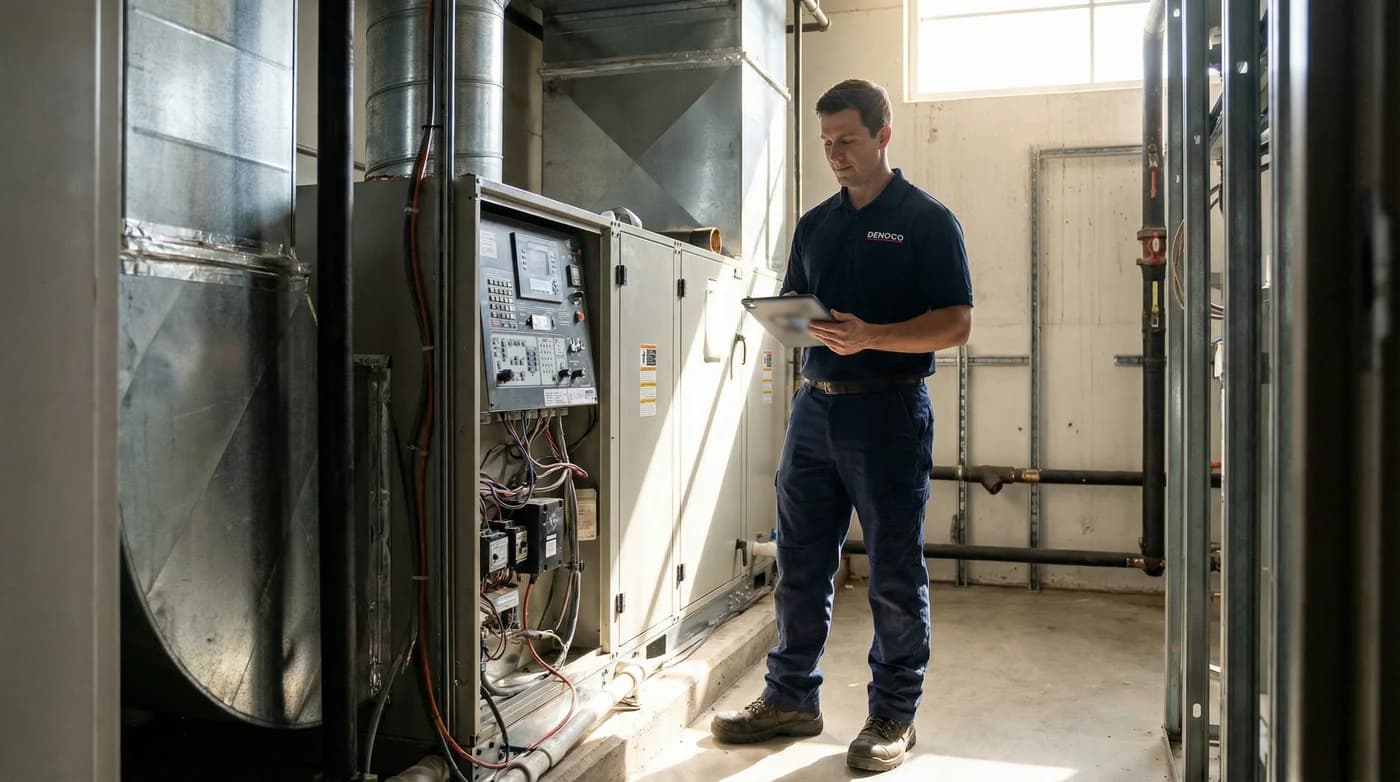
You should get a summary that’s usable: what we saw, what we measured, what we fixed, and what we recommend next (with urgency). Good reporting reduces repeat calls and supports budgeting and capital planning.
- Asset notes (model/serial/location) and visit history
- Key readings (temperatures, pressures, airflow notes where applicable)
- Photos when they clarify condition or support recommendations
- “Now / next / later” recommendations with risk context
Do commercial HVAC systems have compliance requirements in Ontario?
Yes. Depending on your equipment, work can involve regulated scopes (fuel-burning appliances, electrical safety, and refrigerant handling). The right approach is to ensure the work is performed by properly qualified professionals and documented for your records.
- Gas-fired appliances/boilers: Ontario oversight and licensing expectations (TSSA)
- Electrical: safe practices and inspection requirements when applicable (ESA)
- Refrigerants: proper handling/recovery documentation under federal rules
Compliance requirements vary by equipment and site. We’ll confirm what applies to your building during scoping.
What should I ask before signing a maintenance agreement?
Ask questions that reveal how the provider thinks: scope, documentation, response times, and how recommendations are prioritized. A good plan makes surprises rare and decisions simple.
- What exactly is included in spring vs fall visits?
- How are filters handled (who supplies, cadence, and what rating)?
- What is the after-hours response process and target response time?
- What reporting will you provide after each visit?
- How do you flag end-of-life risks and budget replacements?
Service gallery
Commercial HVAC FAQ
Straight answers for homeowners in Gananoque.
- Do both Denoco branches offer commercial HVAC service?
- Yes. Both branches provide commercial HVAC service and planned maintenance across South‑Eastern Ontario.
- What equipment do you cover under a commercial maintenance plan?
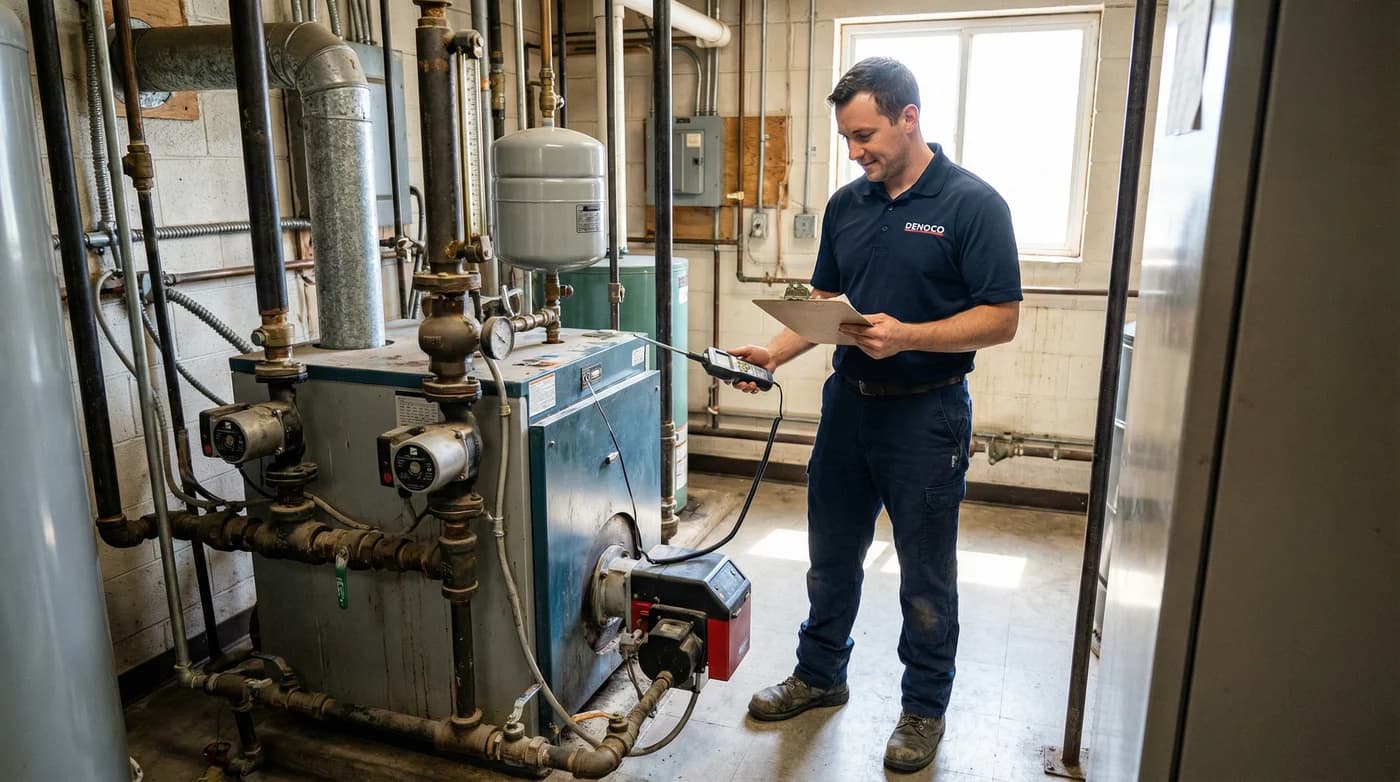
- Commonly: RTUs, MAUs, unit heaters, split systems, ventilation/exhaust, and many control/thermostat and airflow issues. If your building includes gas-fired equipment or hydronic boiler systems, we coordinate work so the right licensed scope is covered and documented.
- How often should a commercial HVAC system be serviced?
- Most buildings benefit from two main seasonal visits (spring cooling + fall heating) plus filter changes on a schedule that matches your occupancy and air quality. High-use or high-ventilation sites often add mid-season checks.
- What failures does preventive maintenance actually prevent?
- PM catches the “predictable” causes of downtime: dirty coils and filters, drain issues, loose electrical connections, belt/bearing wear, economizer problems, and control/sensor drift. It also flags end-of-life risks early so you can plan replacements instead of reacting.
- Can you set up a maintenance agreement?
- Yes — we can bundle filter cycles, shoulder-season tune-ups, documentation/reporting, and priority response. The plan is built around your occupancy, tenant constraints, and risk tolerance.
- Do you work nights or weekends for retail?
- After-hours can be arranged for shutdown-sensitive work. We quote access premiums up front so there’s no surprise invoice.
- Do you provide reporting property managers can use?
- Yes. We can provide asset notes and visit summaries with key readings and photos when applicable, plus “now / next / later” recommendations to support budgeting.