
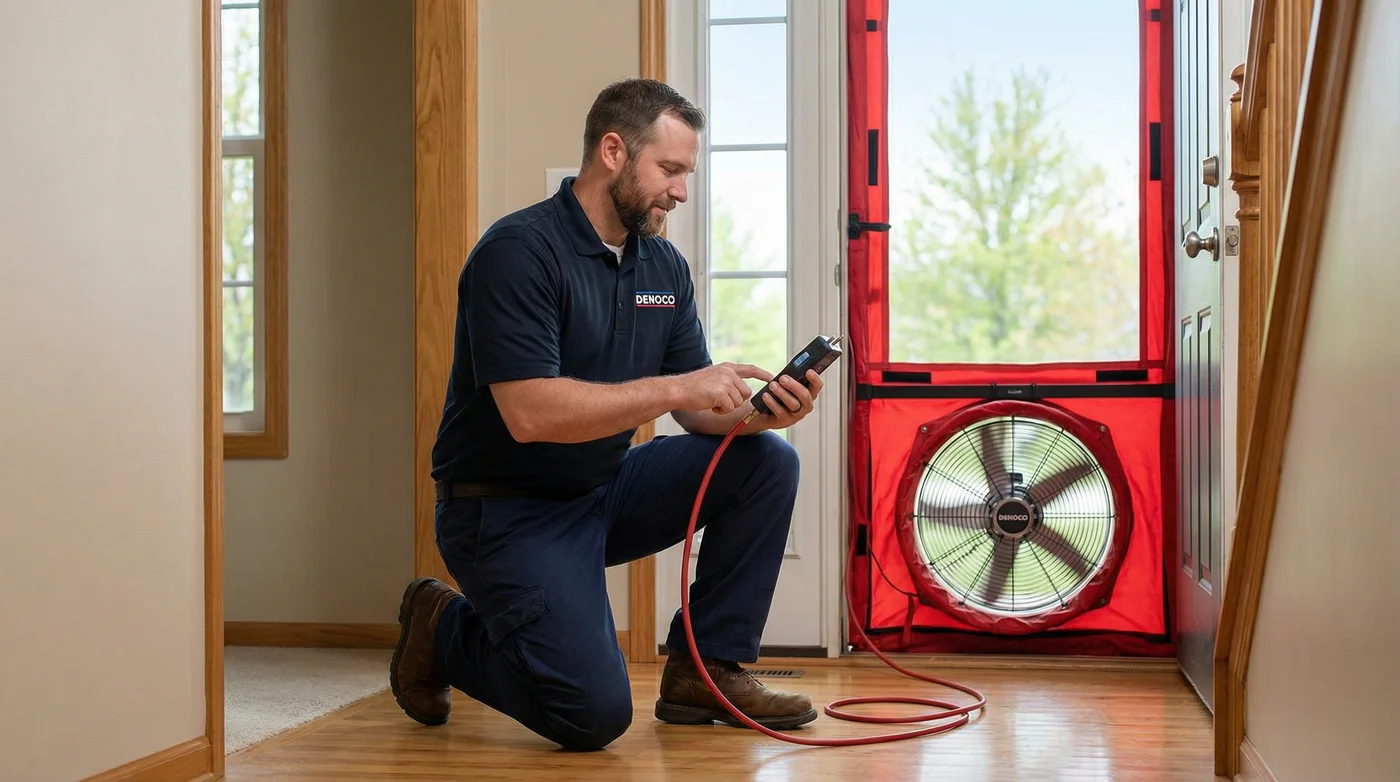
Home Energy Assessments in Athens, ON
Premium work with honest diagnostics, clear scopes, and documentation you can keep. We route service by postal code and service type — your primary coordination branch is Smiths Falls (HQ).
About this service in Athens
A staged upgrade plan (envelope → HVAC → solar) aligned to rebates and real Ontario payback.
Common questions
What is a home energy assessment (and what should you get at the end)?
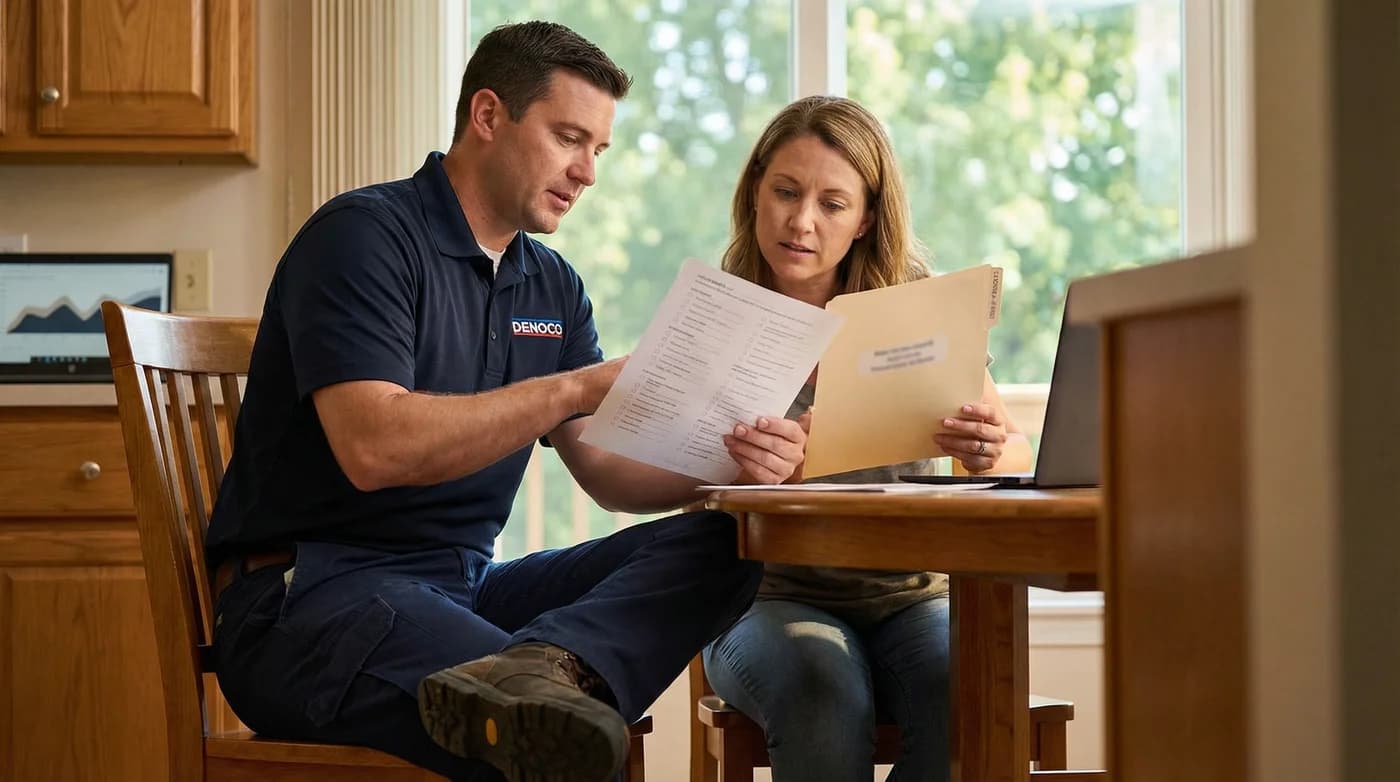
A good assessment is not a generic checklist. It’s a measured snapshot of how your home actually behaves, plus a staged plan you can execute. You should leave with clear priorities (now/next/later), what each upgrade is expected to change (comfort, bills, moisture), and which rebate/loan programs are worth the paperwork for your situation.
What order should energy upgrades be done in?
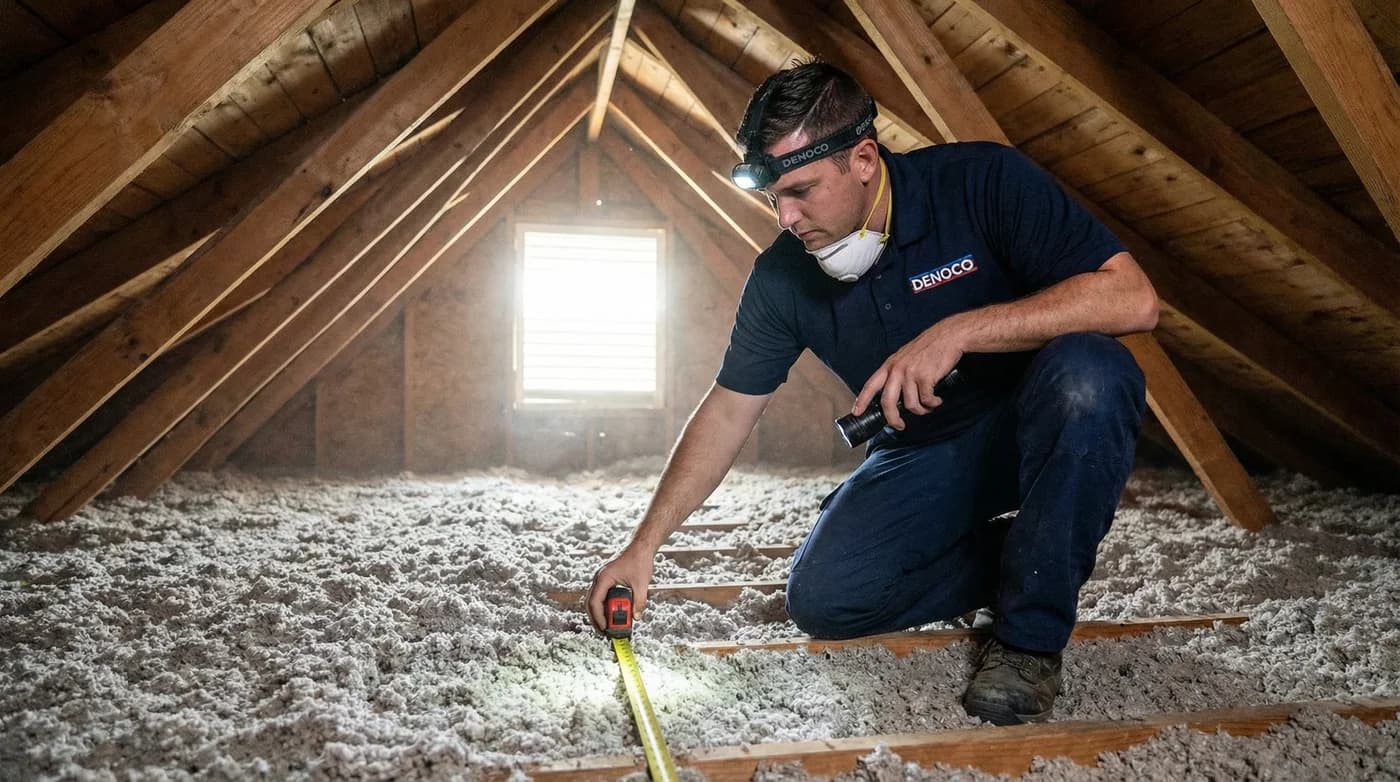
In most South-Eastern Ontario homes, the best sequence is: assess → air sealing and insulation (attic/basement first) → ventilation as needed → heating/cooling → hot water → solar/battery. Envelope fixes reduce heat loss and drafts, which usually lets you buy smaller, quieter, more efficient HVAC equipment later.
- Fix the building before buying new equipment
- Reduce loads first, then size HVAC and solar to the smaller load
- Ventilation and moisture control matter more after air sealing
What is Ontario’s Home Renovation Savings Program (HRSP)?
Ontario’s HRSP offers rebates for eligible energy-efficient upgrades. It’s designed to help homeowners reduce energy use and costs, and some measures can be eligible without a mandatory home energy assessment. Because program rules and caps can change, we link you to the official pages so you can confirm current eligibility before you buy anything.
What’s the biggest mistake homeowners make?
Doing upgrades out of order. Installing a heat pump, new windows, or solar before fixing the biggest leaks and insulation gaps often leads to overbuying equipment and still feeling drafts. The second mistake is chasing rebates instead of outcomes — we plan for comfort and operating cost first, then take rebates when they actually help.
How much does a home energy assessment cost in South-Eastern Ontario?
Cost depends on scope and whether you want deeper diagnostics (like blower door testing) and a detailed staged roadmap. Some programs may subsidize assessments or offer free assessments in specific areas. We’ll quote the assessment scope up front and tell you what documentation is typically needed if you’re applying for rebates or income-qualified programs.
Pricing and program coverage vary by scope and current program rules. We confirm details before booking.
How long does the full “assessment → upgrades” process take?
An assessment visit is usually the fast part. The full timeline depends on contractor availability, material lead times (especially windows/doors), and whether you’re bundling multiple upgrades. A staged plan lets you start with quick wins (air sealing/attic) while larger items (HVAC, windows) are scheduled.
Do I need permits for energy upgrades?
Some upgrades do, some don’t. Insulation and air sealing are often permit-light, while HVAC replacements, electrical work, and certain renovations may require permits/inspections depending on scope and municipality. We’ll point out permit-sensitive items in your roadmap so you can plan schedule and costs realistically.
What rebates, loans, and assistance programs might apply in our region?
Options can include Ontario’s HRSP, utility-administered rebates (where available), local financing programs (like Better Homes–style local improvement charge programs), and federal programs focused on affordability or oil-to-heat-pump conversions. Programs have eligibility rules and can open/close to new intake, so this page includes an “official links” list you can click to verify current details.
Who is a home energy assessment best for?
Homeowners who want a rational plan — especially if you have comfort complaints, high bills, an aging furnace/AC, plans to electrify, or you’re considering solar. It’s also ideal before big renovations: you can sequence upgrades so you don’t pay twice or block future improvements.
Service gallery
Home Energy Assessments FAQ
Straight answers for homeowners in Athens.
- Is an energy assessment worth it if I’m not sure I’ll do upgrades?
- Yes if you want clarity. A good assessment identifies “quick wins” (air leaks, attic issues) and helps you avoid expensive upgrades that won’t solve the root problem. Even if you do nothing this year, you’ll have a prioritized plan for when equipment fails or you renovate.
- What should I do first: windows or insulation?
- Often insulation and air sealing first — especially attic and basement — because they reduce drafts and heat loss across the whole home. Windows can still matter for comfort and condensation, but they’re usually more expensive per unit of energy saved. An assessment helps decide based on your specific house.
- Does air sealing make the house “too tight”?
- Air sealing is good when paired with ventilation planning. Tightening a leaky house improves comfort and reduces uncontrolled moisture movement, but you still need healthy fresh air. If the house becomes much tighter, balanced ventilation (HRV/ERV) can be part of the plan.
- When should I replace my furnace or switch to a heat pump?
- Usually after you understand your heat loss and airflow constraints — and ideally after the biggest envelope issues are improved. That can reduce the size of equipment you need and improve comfort. Income-qualified oil-to-heat-pump support may apply for some homeowners; check the official program links.
- What is the Home Renovation Savings Program (HRSP) in Ontario?
- HRSP is an Ontario program offering rebates for eligible energy-efficient upgrades. The eligible measures, caps, and application process can change, and utilities may administer portions of it. Use the official links on this page to confirm what’s active right now in your area.
- Are there still federal loans for retrofits?
- Some federal programs have closed to new intake (for example, the Canada Greener Homes Loan intake has closed in past periods). We include the official status page so you can confirm the current state and any replacement programs that may be active.
- Do rebates cover the full cost of upgrades?
- Sometimes for specific income-qualified programs, but many rebates cover a portion of the cost. A good plan still makes sense without incentives — rebates are a bonus, not the foundation. We’ll help you focus on upgrades that hold value even if a program changes.
- Can you help me choose which rebates to apply for?
- Yes. We’ll tell you which programs are likely worth the paperwork for your upgrade list and which are unlikely to move the needle. We also keep your plan resilient so you’re not stuck if intake windows change.
- What’s a realistic sequence if I’m doing renovations anyway?
- Use renovations to your advantage: do air sealing and insulation when ceilings/walls are open, plan ventilation, then right-size HVAC, then consider solar. This avoids paying twice for access and helps make sure new equipment isn’t oversized for the improved home.
- Does solar come before or after a home energy assessment?
- After, in most cases. An assessment helps reduce loads first, which can reduce the solar system size needed to hit your goals. Solar can still be great, but it’s more cost-effective when your home’s demand is already trimmed.
- How do I know if a contractor’s assessment is “real”?
- A real assessment uses measurements and outputs a staged roadmap, not just product recommendations. You should see a clear priority list, rationale, and what changes to expect in comfort and operating cost — plus documentation suitable for any programs you’re applying to.